Popular flights to Israel
Prices observed in the past 7 days start from R1,969 one-way and R6,009 round trip. Fares and availability may change at any time, and additional terms may apply.

Etihad Airways
JNB
Johannesburg
TLV
Tel Aviv
R7,139

Sky Express
LON
London
TLV
Tel Aviv
R5,389

Ethiopian Airlines
CPT
Cape Town
TLV
Tel Aviv
R13,749
Sky Express
WAW
Warsaw
TLV
Tel Aviv
R1,969

Air Europa
ALC
Alicante
TLV
Tel Aviv
R3,849
Air Europa
NYC
New York City, NY
TLV
Tel Aviv
R9,599

Prefer it packaged?

Why visit Israel

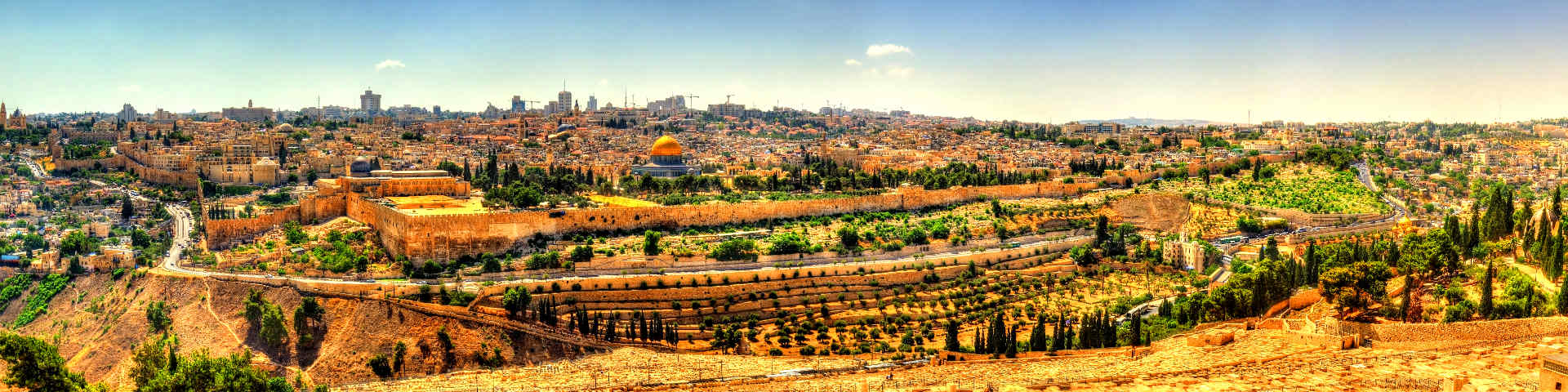
City of Jerusalem
With a myriad of religious shrines and holy relics lining its old cobbled streets, and roots buried deep in biblical times, the ancient city of Jerusalem is one of the most sacred pilgrimage sites in the world.

The Dead Sea
Its mystical healing powers captivated the Queen of Sheba and seduced Cleopatra, and today it lures travellers seeking wellness therapy and those wanting to drift in its saline-laced waters.

Tel Aviv
Drenched in cosmopolitan swag and the decadent scent of coffee and culinary innovation, Tel Aviv is a city of energy and allure. Mediterranean beaches, scintillating nightlife and authentic cuisine beckon.
Israel: a destination rich in ancient history, sacred ways of life and incredible landscapes
Deeply sacred and alive with spectacular natural wonders, ancient archeological treasures, enchanting attractions and cosmopolitan energy, Israel is one of the most fascinating countries in the world. With over 8 million residents, Israel is the second-most populous country in the world. Popular attractions include the Old City of Jerusalem, Bahá’í Gardens in Haifa, and the Dead Sea.
Get ready to explore this sacred city with cheap flights to Israel. The hub airport is Ben Gurion International Airport (TLV), which is a 30-minute drive from the Tel Aviv city centre. The airport serves EL AL Airlines, Turkish Airways and Ethiopian Airlines. Non-stop flights to Tel Aviv depart from Johannesburg and popular connecting flights depart from Cape Town. Flight duration from Johannesburg is approximately 9 hours and 10 minutes.

General Information
Essential details you need to know before your trip
Country
Currency
Israel
Israeli Shekel
LANGUAGE
Exchange Rate
Hebrew / Arabic / English
1 ZAR = 0.185 ILS
AIRLINE
TIME ZONE
EL AL Airlines
GMT +2
Weather In Israel
Frequently asked questions
Discover popular cities in Israel


More popular destinations



TRAVEL HACK
Flights Are Always Cheaper On The App!








Why book with us
 Bringing you the best fares from all airlines
Expert assistance from booking to departure
Online destinations for planning your travels

Already booked your flight?
Explore our Hotel listings:
1,000’s of options worldwide
Best price
Great service

Personalised assistance
Need help with your booking? Contact our expert TravelBar agents for guidance and booking assistance.