Popular flights to Namibia
Prices observed in the past 7 days start from R2119 one-way and R4059 round trip. Fares and availability may change at any time, and additional terms may apply.

South African Airways
JNB
Johannesburg
WDH
Windhoek
R2739

Airlink
JNB
Johannesburg
WVB
Walvis Bay Rooikop
R4149

FlySafair
CPT
Cape Town
WDH
Windhoek
R2119
Airlink
CPT
Cape Town
WVB
Walvis Bay Rooikop
R3369
South African Airways
BBK
Kasane
WDH
Windhoek
R6839
South African Airways
DUR
Durban
WDH
Windhoek
R3559
Airlink
VFA
Victoria Falls
WDH
Windhoek
R4869
Prefer it packaged?

Popular airlines to Namibia


Why visit Namibia
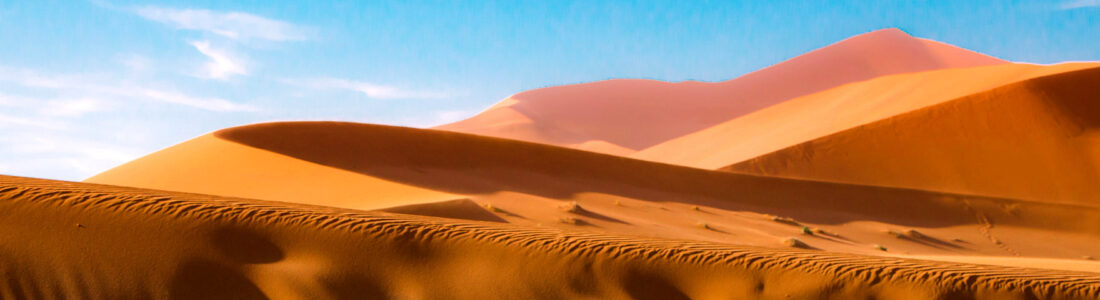
Surreal Landscapes
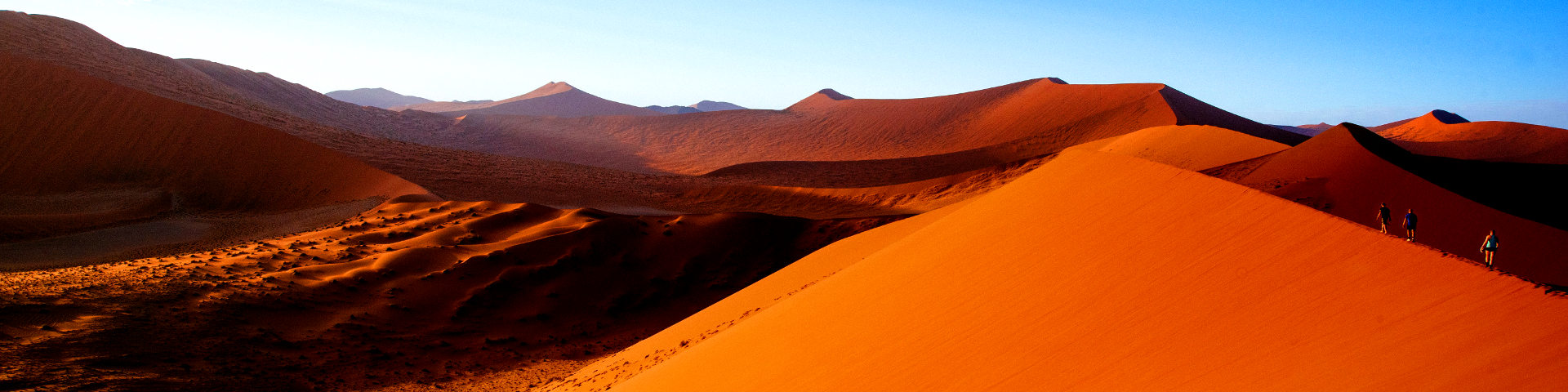
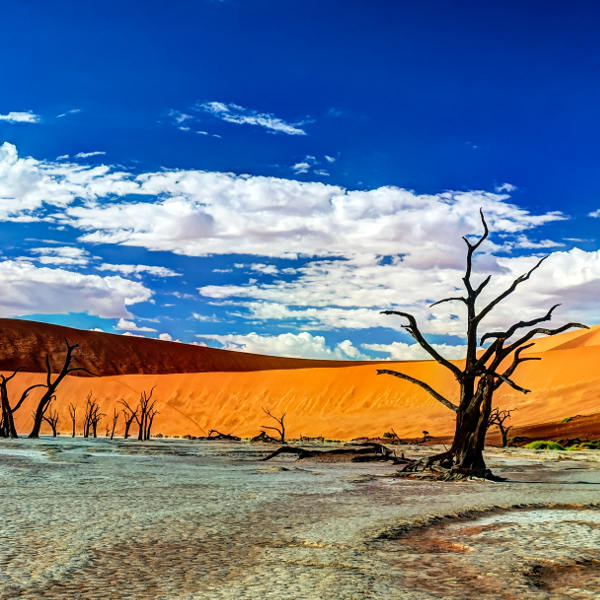
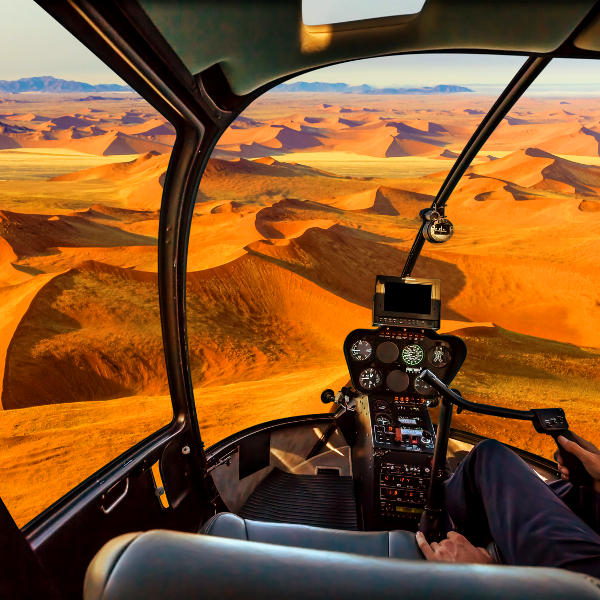
Namibia is a quilt of plunging canyons, magnificent crimson dunes, ghost towns, African savannas that quiver with wildlife, and remarkable coastlines dotted with shipwrecks and enveloped by glittering sapphire ocean.
Incredible Experiences
Climb the highest dune in the world, stargaze in Sossusvlei, trek through the Fish River Canyon (the largest canyon in Africa), meet the elusive Himba people, and visit one of the most spectacular wildlife parks in Africa.
Wilderness Safaris
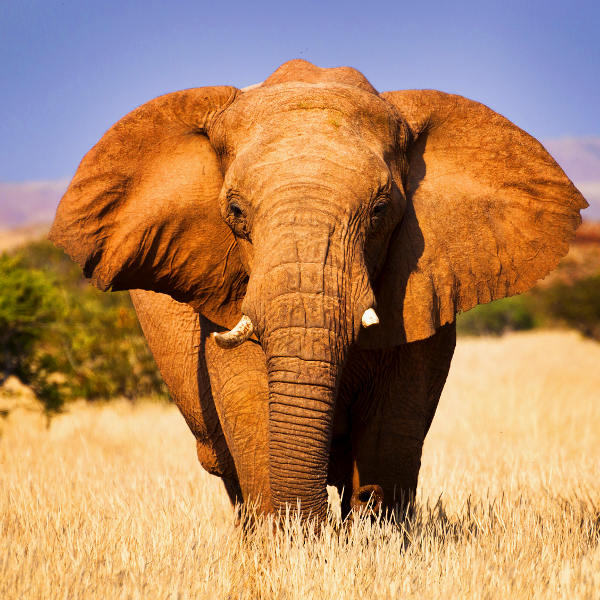
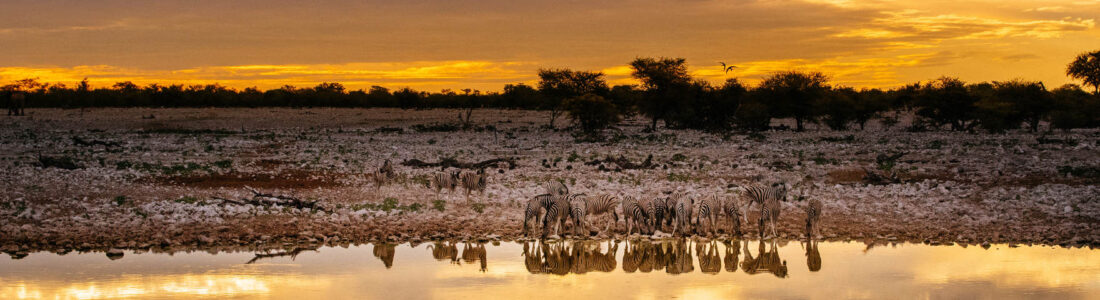
Track elusive black rhinos in Damaraland, walk with wild cheetahs at Erindi Game Reserve, and watch giraffes, lions and wildebeest prowl through grassland and perennial springs in Etosha National Park.
Namibia: the Southern African paradise, rich with desert landscapes, indigenous history and diamonds.
Namibia is one of the most unique places on earth. Surreal landscapes tremble with exotic wildlife, ancient indigenous tribes and the beguiling untamed rhythm of southern Africa. Namibia is home to one of the oldest deserts in the world and over 2.5 million people. Popular attractions include the Etosha National Park, Skeleton Coast, Sossusvlei and Fish River Canyon.
With cheap flights to Namibia you have a chance to be enchanted by the sublime beauty and rugged soul of one of the last great wildernesses in the world. Windhoek is home to Hosea Kutako International Airport (WDH), which is 35-minute drive from the centre of the city. Hosea Kutako International Airport serves Air Namibia, South African Airways and British Airways. Non-stop flights to Windhoek depart from Johannesburg and Cape Town. Popular connecting flights depart from Durban. Flight duration from Johannesburg to Windhoek is approximately 2 hours.
General Information
Essential details you need to know before your trip
Country
Currency
Namibia
Namibian Dollar
LANGUAGE
Exchange Rate
English / Afrikaans / Oshiwambo
1 ZAR = 1.000 NAD
AIRLINE
TIME ZONE
Air Namibia
GMT +2
Weather In Namibia
Frequently asked questions
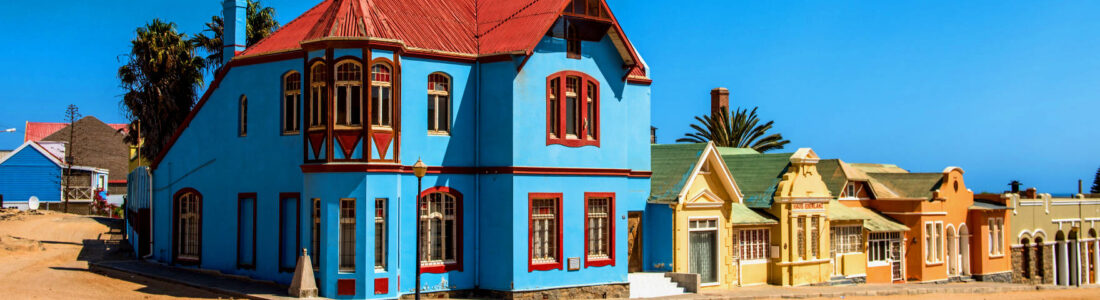
Discover popular cities in Namibia
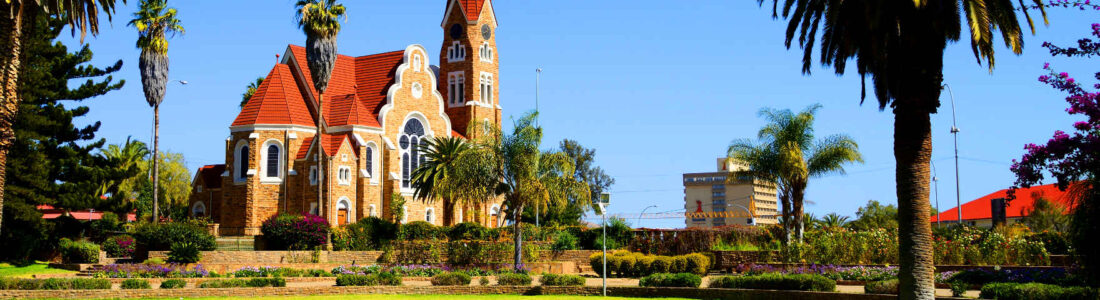
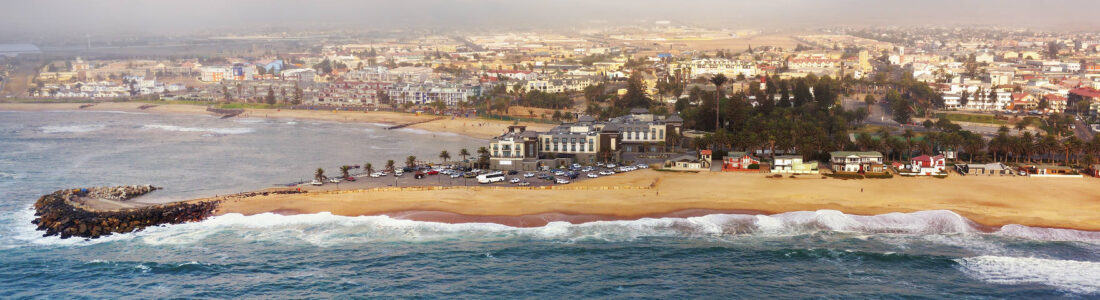
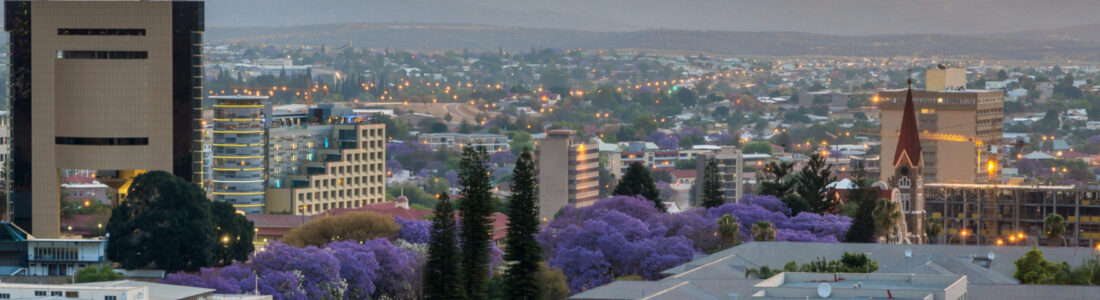
More popular destinations


TRAVEL HACK
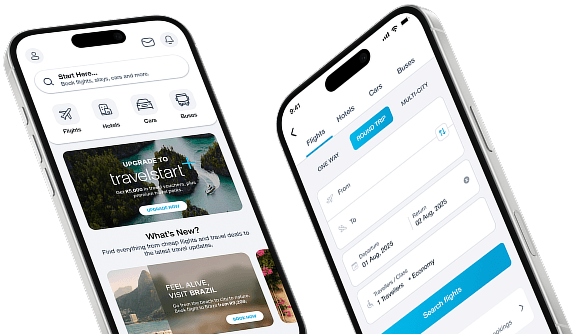
Flights Are Always Cheaper On The App!







Why book with us
 Bringing you the best fares from all airlines
Expert assistance from booking to departure
Online destinations for planning your travels

Already booked your flight?
Explore our Hotel listings:
1,000’s of options worldwide
Best price
Great service

Personalised assistance
Need help with your booking? Contact our expert TravelBar agents for guidance and booking assistance.