Zimbabwe flights

Book cheap flights to Zimbabwe

Popular flights to Zimbabwe

Prices observed in the past 7 days start from R1309 one-way and R3479 round trip. Fares and availability may change at any time, and additional terms may apply.

Custom travel packages

Popular airlines to Zimbabwe

Why visit Zimbabwe

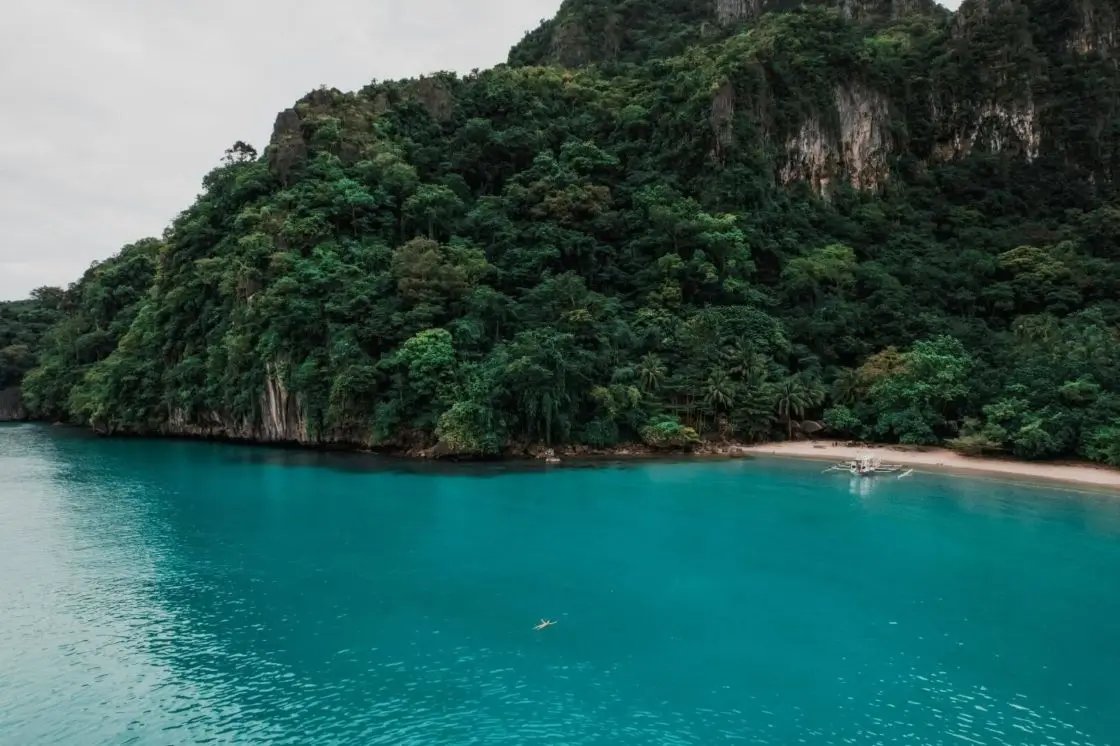
Zimbabwe houseboat on lake
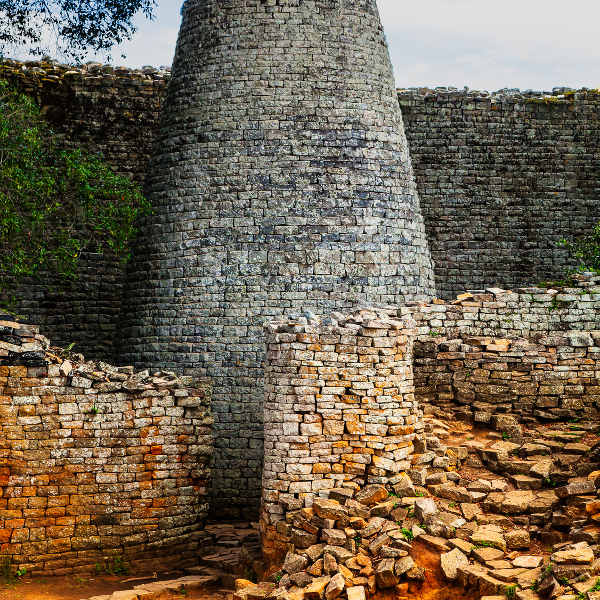
Zimbabwe ancient building
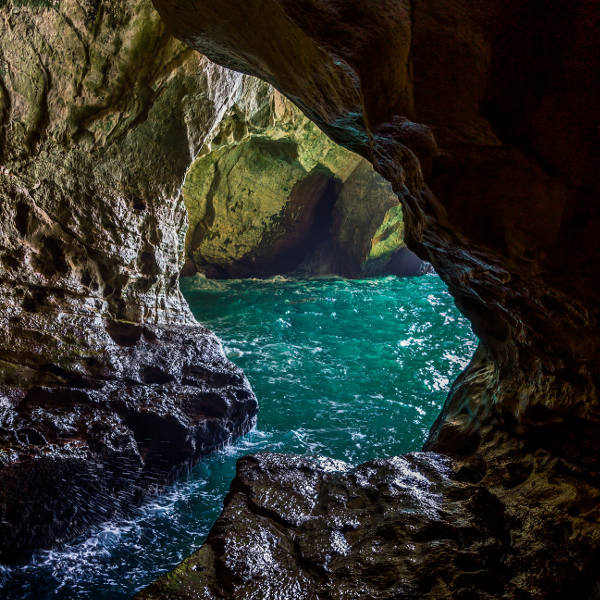
Zimbabwe caves blue water

Zimbabwe: an oasis of wildlife wonders and smoke that thunders

Zimbabwe is a destination filled with wilderness, laidback towns and natural wonders. Located in Southern Africa, Zimbabwe is home to approximately 13 million people. It is abundant with friendly people, sensational sightseeing and incredible encounters with the authenticity of Africa. Popular attractions include Matobo National Park in Bulawayo, National Botanic Garden in Harare and Victoria Falls.

Cheap flights to Zimbabwe are now available for a limited period of time, so prepare to be astonished by this destination’s secret gems! The capital city, Harare, is the home of Robert Gabriel Mugabe International Airport (HRE), which is a 20-minute drive from the city centre. HRE serves many airlines, including South African Airways, British Airways, Air Zimbabwe and Fastjet. Popular international flights depart from Cape Town and Johannesburg. The flight duration from Johannesburg is approximately 1 hour, 35 minutes.
Weather In Zimbabwe

Low
High °C
Rain-mm
Average temperature (°C) & rainfall (mm) per month

Frequently asked questions

Overview

Embark on an unexpected journey through exquisite landscapes, highveld and flaming msasa trees. Zimbabwe excites visitors with sensational wildlife. Spot the Big Five in national parks such as Hwange National Park, Chizarira National Park and Matobo National Park.

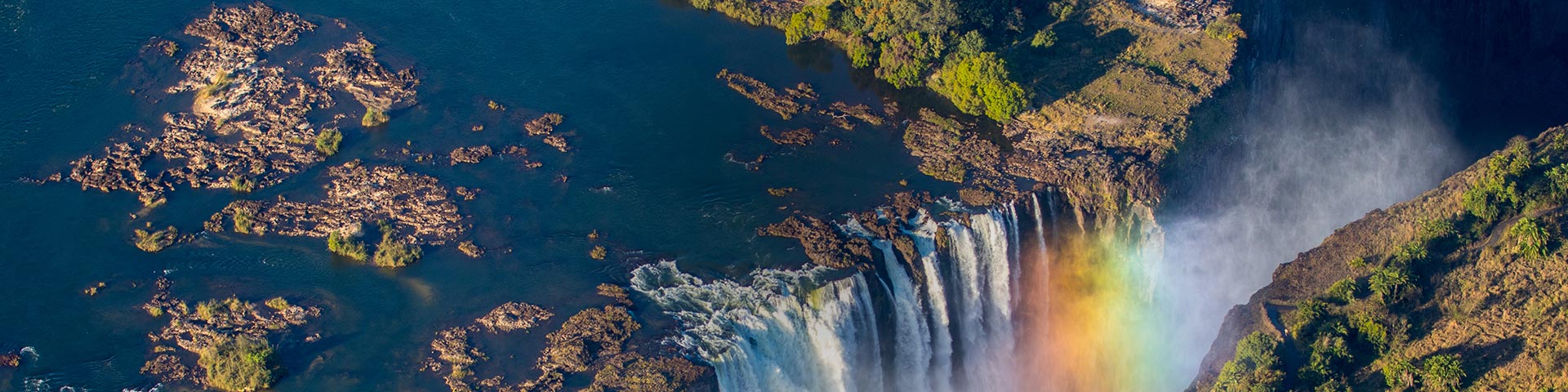
When thinking of Zimbabwe, Victoria Falls springs to mind, and with good reason. This gorgeous attraction has been included in CNN’s Seven Natural Wonders. A visit to Victoria Falls will encapsulate the purity of Zimbabwean lands in spite of its turbulent political troubles.

For travellers who are open-minded enough to embrace Zimbabwe beyond its problems, a precious reward awaits as this beautiful country reveals her precious gems. A trip through Harare will expose you to many insightful museums, craft markets and reputable fine dining.

For a tranquil day with many serene encounters, visit Lake Kariba (the second largest man-made lake in Africa). The Matusadonha National Park, located on the shores of Lake Kariba, offers several fine resorts and lodges, which makes for a relaxing vacation.

Zimbabwe and its people truly have so much to offer, and it ensures that it satisfies all who visit this Southern African diamond in the rough.

Compare several airlines and book your cheap flights to Zimbabwe online at Travelstart!

Best time to visit Zimbabwe

Zimbabwe has a tropical climate with many variations throughout its various cities and towns. With mild temperatures and virtually no rain, the arid months from May to October is considered to be the best time to visit Zimbabwe if you wish to go game-viewing. The artificial waterholes attract incredible animals in Hwange. Keep in mind that September and October are extremely hot and dry. Victoria Falls should be visited in the rainy summer season. The best time to go is between April and May when the falls are flowing viciously. For cheap flights to Zimbabwe, consider the summer months (November to March), as it is low season which means lower rates in the cities.

Visa & Customs

South African citizens do not require a visa to visit Zimbabwe. You will be granted entry into the country at all access points on presentation of your valid passport.

For more information, please contact the Embassy of Zimbabwe, in Pretoria.

Address: Zimbabwe House, 798 Merton Street, P. O. Box 55140, Arcadia, 0007

Phone: ( 27) 012 342 5125

Fax: ( 27) 012 342 5126

Health & Safety

All travellers are required to be up-to-date on their routine vaccinations before travelling to Zimbabwe. These vaccines include measles-mumps-rubella (MMR), diphtheria-tetanus-pertussis, varicella (chickenpox), polio, and your yearly flu shot. Most travellers are encouraged to get vaccines for hepatitis A, malaria, typhoid and yellow fever.

As with any popular tourist attraction, Zimbabwe has its share of warnings and cautions.

Always carry your identity document or a copy of your passport; Ask permission when taking photos around the cities and towns; Be vigilant of pick-pocketing and bag-snatching in crowded spaces; Carry sufficient hard cash with you through your travels, as it can be difficult to withdraw cash from the ATMs; Be careful when waving your open hand in public in Zimbabwe this is a political symbol of the opposition.

Where to Stay?

Accommodation in Zimbabwe ranges from budget guesthouses and backpacker lodges to mid-range safari camps and some of the most atmospheric luxury lodges in Southern Africa — and as one of South Africa’s most accessible neighbouring safari destinations, Zimbabwe offers a genuinely rewarding and often surprisingly affordable travel experience for South African visitors.

In Harare, the capital, accommodation is concentrated in the leafy northern suburbs of Borrowdale, Avondale and Highlands — elegant, tree-lined areas that retain much of the city’s colonial-era charm. Well-regarded options include the Meikles Hotel — Harare’s most storied and elegant address, in operation since 1915 and a landmark of Zimbabwean hospitality — the Bronte Hotel in Avondale, and a growing number of boutique guesthouses and serviced apartments catering to both business and leisure travellers. The city centre itself has seen better days and most visitors prefer to base themselves in the safer northern suburbs.

Victoria Falls is Zimbabwe’s most visited destination and offers the widest range of accommodation in the country — from lively backpacker lodges steps from the town centre to mid-range hotels and some genuinely world-class luxury properties set within private concessions along the Zambezi River. The legendary Victoria Falls Hotel — an Edwardian grande dame dating back to 1904, with sweeping views of the Victoria Falls Bridge and the spray of the falls — is one of the most iconic hotels in Africa and an unmissable experience even for non-guests. Well-regarded mid-range and luxury options include Ilala Lodge (within walking distance of the falls), The Elephant Camp perched above the Zambezi National Park, and Bumi Hills Safari Lodge overlooking Lake Kariba.

In Hwange National Park — Zimbabwe’s largest game reserve and one of Africa’s great elephant sanctuaries — accommodation ranges from simple national parks camps and self-catering chalets to exclusive private concession lodges offering extraordinary wildlife access. Well-regarded options include Linkwasha Camp (an Wilderness Safaris property set in a private concession with exceptional big cat sightings), Somalisa Camp, and the more accessible Hwange Safari Lodge on the park’s boundary. For South African travellers on a tighter budget, the Zimbabwe National Parks camps at Main Camp and Sinamatella offer basic but functional self-catering accommodation within the park itself.

On the shores of Lake Kariba — the world’s largest man-made lake by volume — a wonderful selection of houseboats, lakeside lodges and tented camps make for one of Zimbabwe’s most unique and atmospheric accommodation experiences. Waking up to a hippo-dotted sunrise over the vast expanse of Kariba, with elephants drinking at the water’s edge, is a memory that stays with you long after you’ve returned home. Well-regarded properties include Bumi Hills Safari Lodge and Changa Safari Camp, while a houseboat charter on the lake is a uniquely Zimbabwean experience that South African travellers return to time and again.

In the Eastern Highlands — Zimbabwe’s cool, misty mountain region bordering Mozambique — the charming town of Mutare and the Nyanga and Chimanimani areas offer a completely different side of Zimbabwe, with cosy country lodges, trout fishing cottages and hiking retreats set among pine forests and dramatic mountain scenery. Well-regarded options include the Leopard Rock Hotel near Mutare — a fairytale turreted property set within a golf course and private forest reserve — and the rustic mountain camps of Chimanimani National Park.

Ready to book? Search and book accommodation in Zimbabwe at Travelstart and find the best deals across all budgets.

Getting Around

Getting around Zimbabwe is manageable with a little advance planning — and for South African travellers, the familiarity of left-hand driving, English as the official language and broadly similar road conventions makes self-drive travel here more accessible than in many other African destinations. That said, road conditions, fuel availability and wildlife on the roads require careful consideration.

For most South African travellers, the journey to Zimbabwe begins at one of two main entry points — the Beitbridge border post on the South Africa–Zimbabwe border (one of the busiest land border crossings in Africa, so expect queues and allow plenty of time), or by flying directly into Robert Gabriel Mugabe International Airport (HRE) in Harare or Victoria Falls Airport (VFA), which receives direct flights from Johannesburg operated by Airlink, FlySafair and other carriers. Victoria Falls Airport is particularly well connected to South Africa, making it easy to fly directly into the country’s most popular tourist destination without routing through Harare.

Domestic flights within Zimbabwe are operated primarily by Fastjet Zimbabwe and charter operators, connecting Harare (HRE) with Victoria Falls (VFA), Kariba (KAB) and Hwange (WKI). Given Zimbabwe’s significant distances — the drive from Harare to Victoria Falls is approximately 8–9 hours on roads of variable quality — domestic flights are strongly recommended for travellers wanting to cover multiple destinations efficiently. Charter flights to private safari concessions in Hwange and Lake Kariba are available through operators including Wilderness Air Zimbabwe.

In Harare, taxis and ride-hailing apps are the most practical way to navigate the city. Vaya Africa (Zimbabwe’s equivalent of Uber) and InDriver operate in Harare and are widely used by locals and visitors alike — a reliable and safe alternative to unmarked taxis. Always agree on a fare before departing with any taxi not using an app. Emergency taxis (ETs) — shared minibus taxis — are the most affordable form of public transport but can be overcrowded and routes are difficult to navigate for first-time visitors.

In Victoria Falls town, most of the major attractions, restaurants and tour operators are within comfortable walking or cycling distance of the accommodation strip. The falls themselves are a short walk or taxi ride from the town centre. A wide range of tour operators based in the town offer transfers and day trips to Hwange National Park, Chobe (across the border in Botswana), the Zambezi National Park and the Zambian side of the falls — making Victoria Falls an excellent hub from which to explore the wider region without needing your own vehicle.

For exploring Hwange National Park, Matobo National Park near Bulawayo, the Eastern Highlands and the roads between major cities, a hire car is strongly recommended — and a 4×4 is advisable for game drives within national parks and for any routes involving unpaved roads. Zimbabwe drives on the left, road signs are in English and the main highways between Harare, Bulawayo and Victoria Falls are generally in acceptable condition — though potholes are common and require vigilance, particularly after the rainy season. Do not drive at night — livestock, wildlife and pedestrians on unlit roads pose a serious hazard throughout the country.

Fuel availability has historically been a concern in Zimbabwe — while the situation has improved considerably in recent years, it is still advisable to fill up whenever you have the opportunity rather than waiting until your tank is low, particularly when travelling between cities or in more remote areas. Carry cash in USD (the most widely accepted currency) as card payment at fuel stations can be unreliable.

Between Zimbabwe and neighbouring Zambia at Victoria Falls, the historic Victoria Falls Bridge provides a road and rail crossing — a spectacular experience in its own right, with the gorge and the Zambezi River visible far below. The Kazungula Bridge further east connects Zimbabwe with Botswana across the Zambezi, offering an alternative crossing for travellers combining a Zimbabwe and Botswana itinerary.

Planning to explore Zimbabwe’s national parks, game reserves and scenic highways at your own pace? Search, compare and book a car hire for Zimbabwe at Travelstart and find the best rate for your Southern African adventure.

Discover popular cities in Zimbabwe

More popular destinations

Download Travelstart App

TRAVEL HACK

Why book with us

Bringing you the best fares from all airlines

Expert assistance from booking to departure

Online destinations for planning your travels

Already booked your flight?

1000’s of options worldwide

Best price

Great service

Travelstart personalised support
Personalized assistance

Need help with your booking? Contact our expert TravelBar agents for guidance and booking assistance.