Popular flights to Mauritius
Prices observed in the past 7 days start from R3,619 one-way and R8,659 round trip. Fares and availability may change at any time, and additional terms may apply.


Prefer it packaged?

Popular airlines to Mauritius


Why visit Mauritius
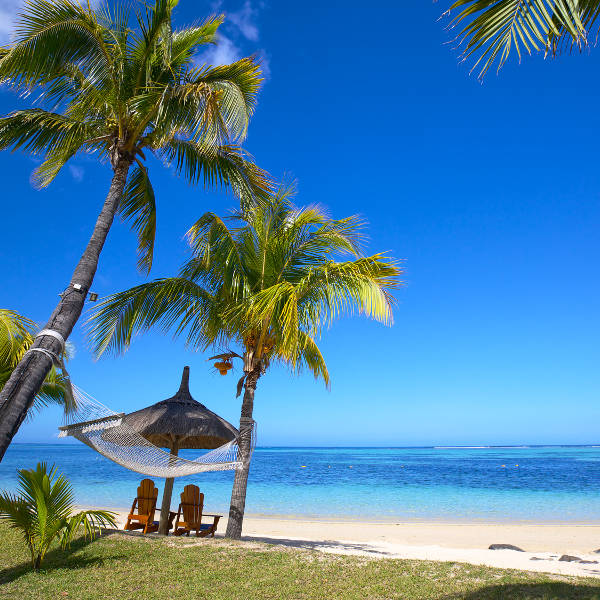
A Coastal Paradise
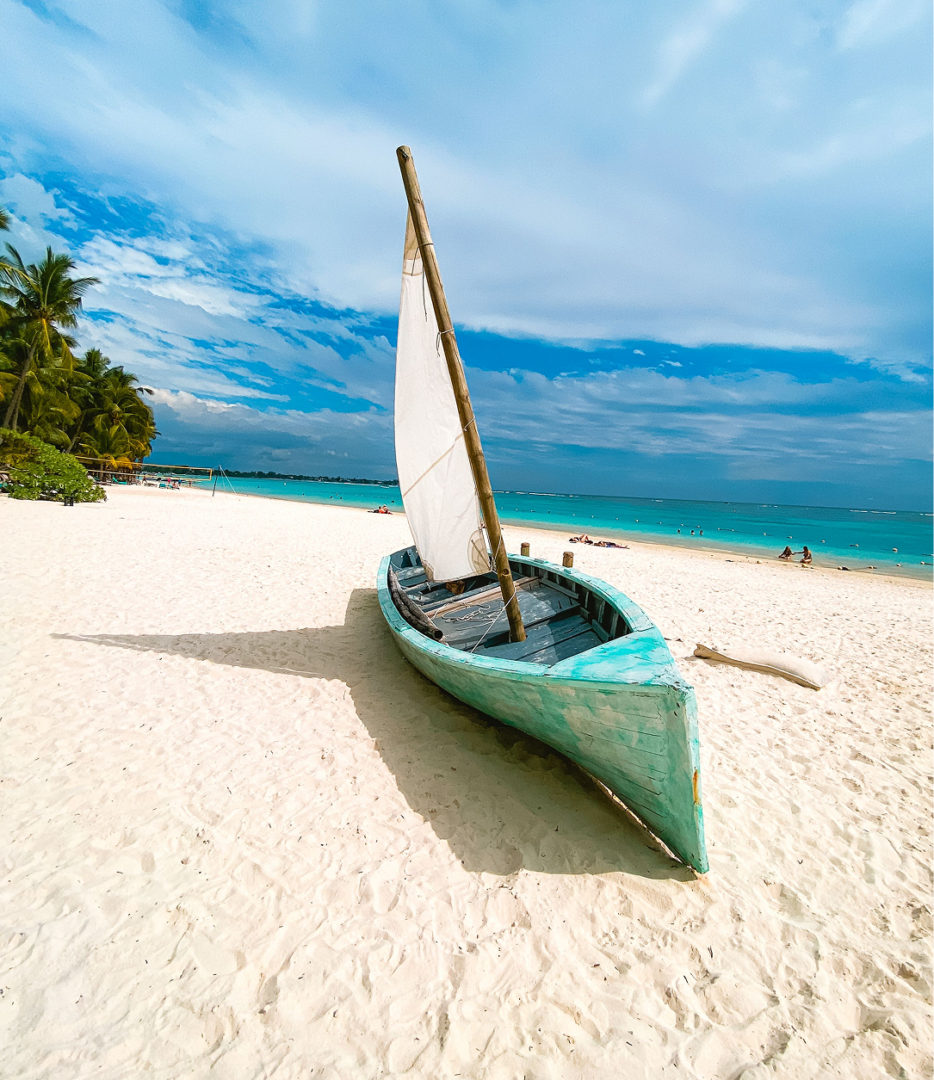
One of the crowning attractions of this island nation is its wonderful collection of alluring beaches and islands. Relax and soak up the sun at coastal hotspots such as Grand Baie, Trou aux Biches and Île aux Cerfs.
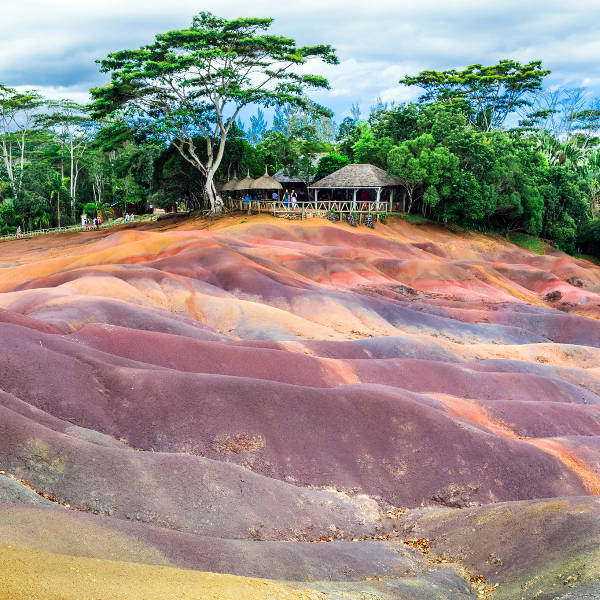
Exceptional Nature
Mauritius boasts a wealth of breath-taking natural areas that will be sure to astound you, such as the Black River Gorges National Park, the Frederica Nature Reserve in Bel-Ombre and Seven Coloured Earths in Riviere Noire.
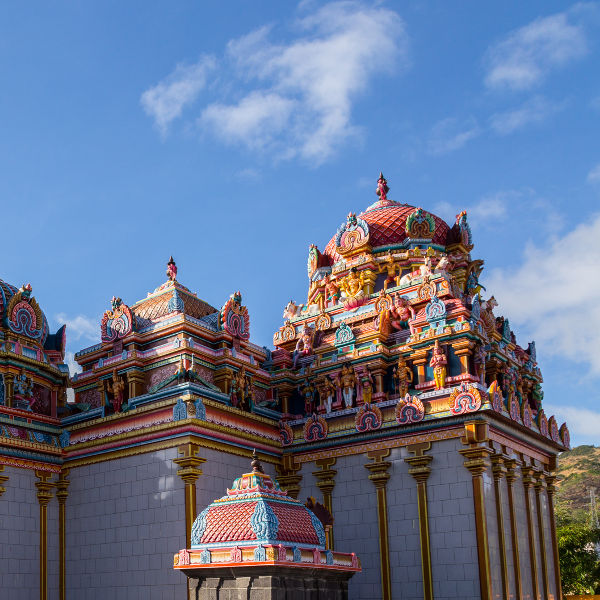
Historic Architecture
Mauritius was ruled by the Dutch, French and the British. Visit the sites that reflect these former periods, such as the Kalaisson Temple in Port Louis, Maison Eureka in Moka and the Martello Tower Museum in Riviere Noire.
Mauritius: an island oasis of picture-perfect beaches, luxury retreats and an exotic blend of cultures
Situated in East Africa is the charming Indian Ocean island nation – Mauritius. It includes over 1.2 million residents, and is known for its picturesque beaches, reefs and lagoons. Mauritius offers you gorgeous nature, international influences and exceptional wildlife. Popular attractions include Seven Coloured Earths in Riviere Noire, Île aux Cerfs island and L’Aventure du Sucre museum in Pamplemousses.
Prepare yourself for a wonderful island experience, because cheap flights to Mauritius are now available. Mauritius is the home of Sir Seewoosagur Ramgoolam International Airport (MRU), a 45-minute drive from the centre of the capital, Port Louis. MRU serves several airlines, including South African Airways, British Airways and Air Mauritius. Direct flights to Port Louis are available from Johannesburg. The flight duration to Port Louis is approximately 3 hours and 55 minutes.
General Information
Essential details you need to know before your trip
Country
Currency
Mauritius
Mauritian Rupee (MUR)
LANGUAGE
Exchange Rate
English / French / Creole
1 ZAR = 2.850 MUR
AIRLINE
TIME ZONE
Air Mauritius
GMT +4
Weather In Mauritius
Frequently asked questions
The information on this page is correct as of date of publishing. While every effort is made to keep information as fresh as possible, Travelstart takes no responsibility for any of the information being out of date or incorrectly noted.
Places to visit in Mauritius
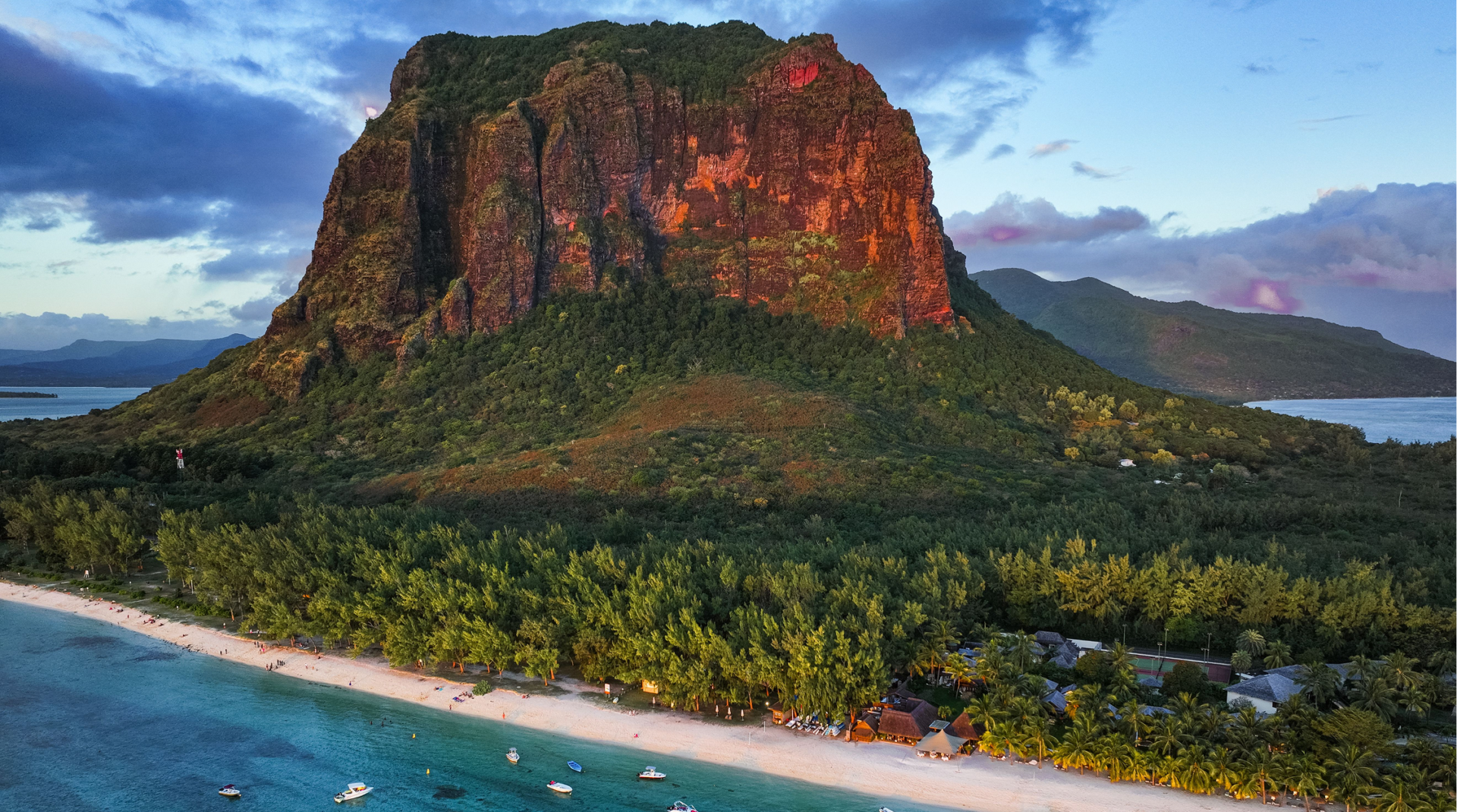
Le Morne Brabant
Île aux Cerfs

Black River Gorges National Park
More popular destinations



TRAVEL HACK
Flights Are Always Cheaper On The App!








Why book with us
 Bringing you the best fares from all airlines
Expert assistance from booking to departure
Online destinations for planning your travels

Already booked your flight?
Explore our Hotel listings:
1,000’s of options worldwide
Best price
Great service

Personalised assistance
Need help with your booking? Contact our expert TravelBar agents for guidance and booking assistance.