Madagascar flights

Book cheap flights to Madagascar

Popular flights to Madagascar

Prices observed in the past 7 days start from R7199 one-way and R10699 round trip. Fares and availability may change at any time, and additional terms may apply.

Custom travel packages

Popular airlines to Madagascar

Why visit Madagascar

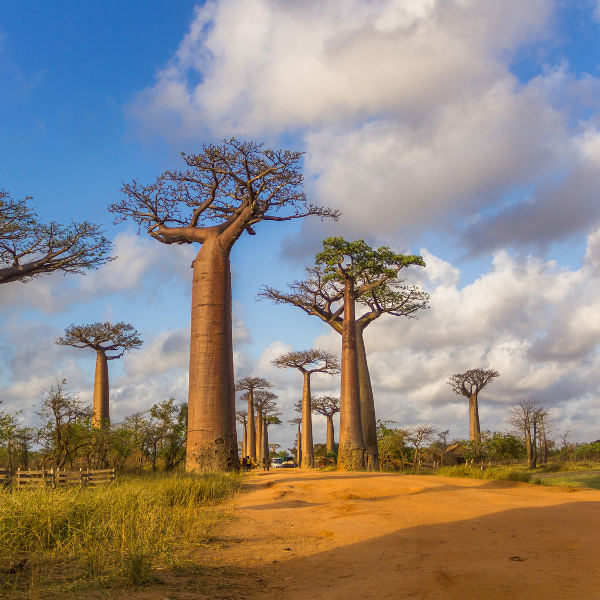
Madagascar baobab streets
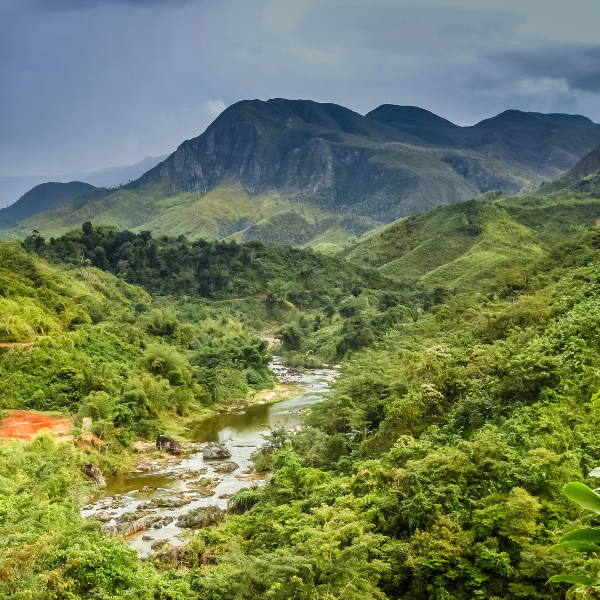
Madagascar mountain river
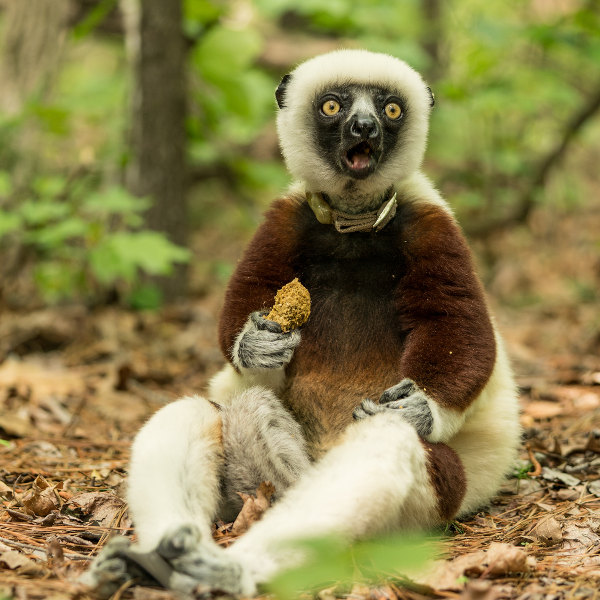
Madagascar lemur eating

Madagascar: a lost world of baobabs, lemurs and extraordinary natural wonders off the coast of Africa

Madagascar is an island country located in the Indian Ocean, off the south-east coast of Africa, and one of the most biodiverse places on earth. Home to more than 29 million people, this extraordinary island is unlike anywhere else on the planet — over 90% of its wildlife is found nowhere else on earth. Popular attractions include Lemurs’ Park near Antananarivo, the Avenue of the Baobabs in the Menabe region, and Lac Tritriva near Antsirabe.

Cheap flights to Madagascar from South Africa are now available, so get ready to journey to one of Africa’s most remarkable and untouched destinations. Madagascar’s capital city, Antananarivo, is home to Ivato International Airport (TNR), approximately a 20–30 minute drive from the city centre depending on traffic. Ivato International Airport is served by several airlines including Kenya Airways and Air Mauritius. Connecting flights depart from Johannesburg and Cape Town. The flight duration from Johannesburg to Antananarivo is approximately 3 hours and 10 minutes.
Weather In Madagascar

Low
High °C
Rain-mm
Average temperature (°C) & rainfall (mm) per month

Frequently asked questions

Overview

A largely undiscovered corner of the world, Madagascar continues to conjure extraordinary imagery with its breathtaking beaches, surreal landscapes and extraordinary wildlife. Nature is in abundance the moment you land anywhere on this vast island. Escape the trivial influences of the modern age in this otherworldly natural landscape. The Avenue of the Baobabs — one of the great natural treasures of this beautiful destination — enchants visitors with its towering ancient trees on a drive along the dirt roads through the Menabe region.

Madagascar’s unique qualities spill over into its vast animal kingdom. This bountiful island is home to endemic chameleons, colourful frogs and, of course, the curious and beloved lemur — found nowhere else on earth. A visit to the capital city, Antananarivo, will lead to some gorgeous sightings. Lemurs’ Park in the Antananarivo Highlands houses several species of lemur in a private reserve setting. A trip down to Analakely Market in the capital will be heartwarmingly rewarding — a vibrant, frenetic space filled with the everyday life of the Malagasy people.

For serious nature lovers, the Masoala Peninsula and Ranomafana National Park are UNESCO World Heritage Sites teeming with rare wildlife, while the dramatic limestone karst formations of Tsingy de Bemaraha — also UNESCO-listed — are among the most spectacular geological wonders in Africa.

Once you’ve explored the capital, head to the northwestern tip of Madagascar and the island of Nosy Be. Dramatic in its tropical landscape, this island draws visitors with its shallow turquoise waters, whale shark encounters, and the intoxicating aromas of ylang-ylang, cacao, vanilla and sugar cane plantations that perfume the air.

Compare several airlines and book your cheap flights to Madagascar online at Travelstart!

Best time to visit Madagascar

Madagascar’s vast size means weather varies significantly by region — there is no single “best time” that applies to the whole island. The wet season runs from late November to March. During this period, cyclones are a risk — particularly in the north and along the east coast — and some roads become impassable due to flooding. This is generally the time to avoid for most visitors, though the Kalahari and the south remain drier. The dry season (April to October) is the best time to visit most of Madagascar: – June and July: Ideal for spotting baby lemurs in the national parks and humpback whales off Île Sainte-Marie on the east coast. – May to September: Perfect for wildlife viewing in Ranomafana and Andasibe national parks, with cooler, drier conditions. – August to October: Best for exploring the Avenue of the Baobabs, when the landscape is dry and the colours are dramatic at sunrise and sunset. For the cheapest flights to Madagascar from South Africa, consider travelling in April to June — the shoulder season offers lower fares and fewer crowds as the rains ease off across most of the island.

Visa & Customs

South African passport holders can obtain a visa on arrival at Ivato International Airport (Antananarivo) and other major entry points in Madagascar. Visa options and fees vary depending on the length of stay, with short-stay visas available on arrival for tourism purposes.

Your passport should be valid for at least 6 months beyond your travel dates and contain sufficient blank pages for entry and exit stamps.

As visa requirements and fees may change, travellers are advised to confirm the latest entry requirements with the Madagascar Embassy or their nearest travel authority before departure.

The South African Embassy to Madagascar is located in Antananarivo.

Address: Lot IVO 68 Bis, Rue Ravoninahitriniarivo, Ankorondrano, 101 Antananarivo, Madagascar

Phone: 261 20 22 433 50

Health & Safety

Travellers flying to Madagascar should be up to date on all routine vaccinations before departure. These include measles-mumps-rubella (MMR), diphtheria-tetanus-pertussis, varicella (chickenpox), polio and your annual flu shot. Depending on your itinerary, vaccinations for hepatitis A, typhoid, hepatitis B, malaria and rabies are also advisable — consult your doctor or travel clinic at least 4–6 weeks before departure.

Malaria is present throughout much of Madagascar, including popular tourist areas. Antimalarial medication and insect repellent are strongly recommended. Stick to bottled water throughout your trip.

Madagascar is generally safe for tourists who exercise common sense and take sensible precautions. Petty theft and opportunistic crime do occur, particularly in Antananarivo and in the southern districts of Toliara and Fianarantsoa. It is advisable to hire a reputable local guide in these areas.

Avoid wandering alone at night, especially in the capital, and steer clear of isolated beach areas after dark. Keep a close watch over your belongings in crowded areas and at airports. When exploring rural areas and national parks, always travel with a registered guide for both safety and the richness of the experience.

Where to Stay?

Accommodation in Madagascar ranges from simple guesthouses and backpacker lodges to boutique eco-lodges and luxury beach resorts, with options to suit every type of traveller and budget.

In Antananarivo, the capital, a good selection of mid-range hotels and guesthouses are available in the city centre and Isoraka district, with a handful of upscale hotels catering to business and leisure travellers. For budget travellers, clean and comfortable guesthouses are plentiful throughout the city.

Near the national parks, eco-lodges and forest camps are the accommodation of choice. Ranomafana and Andasibe-Mantadia national parks both have well-regarded lodge options that put you right at the edge of the jungle — ideal for early morning lemur spotting. Along the Avenue of the Baobabs near Morondava, rustic guesthouses and small lodges offer a front-row seat to one of Africa’s greatest natural spectacles.

For a beach escape, Nosy Be is Madagascar’s premier island resort destination, offering everything from affordable bungalows to five-star boutique hotels with overwater decks, private pools and world-class diving on the doorstep.

Ready to book? Search and book accommodation in Madagascar at Travelstart and find the best deals across all budgets.

Getting Around

Getting around Madagascar takes patience and planning — but for adventurous South African travellers, navigating this extraordinary island is part of the experience.

In Antananarivo, taxis are the most convenient way to get around the city. Always agree on a fare before getting in, as meters are rarely used. Ride-hailing apps are beginning to emerge in the capital but coverage remains limited. Local minibus taxis (taxi-brousse) are the most affordable option for intercity travel, though journeys can be long and uncomfortable on unpaved roads.

Road conditions vary dramatically across Madagascar. While the main RN7 route from Antananarivo south to Toliara is one of the better-maintained roads and a popular self-drive route, many roads — especially in the north and east — are severely potholed or unpaved and become impassable during the wet season. A 4×4 vehicle is strongly recommended for exploring beyond the main towns and national park areas.

For reaching remote areas quickly — such as Nosy Be in the north, the Masoala Peninsula or the Makira forests — domestic flights are the most practical option. Madagascar Airlines and charter operators connect Antananarivo with Nosy Be (NOS), Toamasina (TMM), Toliara (TLE) and several other regional airports.

Boat transfers are essential for reaching island destinations like Nosy Be and Île Sainte-Marie, and the traditional pirogue (outrigger canoe) is still widely used for coastal travel.

Planning a self-drive adventure through Madagascar? Search, compare and book a car hire in Madagascar at Travelstart and find the best rate for your trip.

Discover popular cities in Madagascar

More popular destinations

Download Travelstart App

TRAVEL HACK

Why book with us

Bringing you the best fares from all airlines

Expert assistance from booking to departure

Online destinations for planning your travels

Already booked your flight?

1000’s of options worldwide

Best price

Great service

Travelstart personalised support
Personalized assistance

Need help with your booking? Contact our expert TravelBar agents for guidance and booking assistance.