Portugal flights

Book cheap flights to Portugal

Popular flights to Portugal

Prices observed in the past 7 days start from R1519 one-way and R3139 round trip. Fares and availability may change at any time, and additional terms may apply.

Custom travel packages

Popular airlines to Portugal

Why visit Portugal

Portugal food-fish-portugal
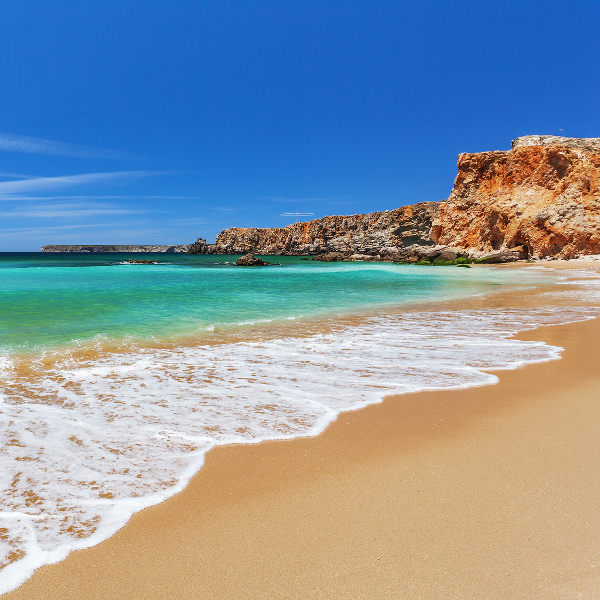
Portugal algarve-beach-portugal
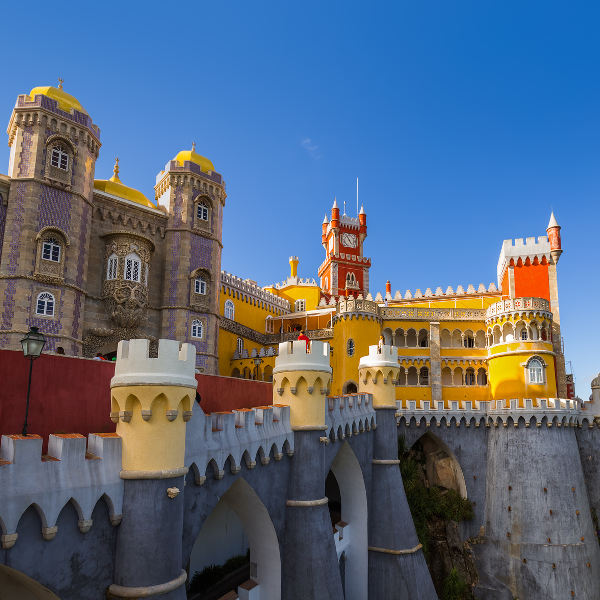
Portugal architecture-sintra-portugal

Portugal: an undiscovered paradise of romantic medieval cities, dreamy beaches, and gourmet seafood

Cliff-decked golden coastlines and inner-country cities that call to your heart’s delight, Portugal is a country for all. Having spread its exotic influences around the world, the country is home to 10 million residents, and welcomes visitors with open arms. Attractions include Belem Tower in Lisbon, Pena Palace in Sintra and Ponte de Dom Luis I in Porto.

Get ready for a trip to this intriguing destination, because cheap flights to Portugal are now available for a limited period of time. Portugal’s capital city, Lisbon, is home to Lisbon Portela Airport (LIS), located just 15 minutes from the city centre. Lisbon Portela Airport serves a multitude of airlines – including TAP Portugal, Iberia and British Airways. Popular international flights depart from Johannesburg and Cape Town. Flight duration from Johannesburg to Lisbon is approximately 12 hours and 55 minutes.

Weather In Portugal

Low
High °C
Rain-mm
Average temperature (°C) & rainfall (mm) per month

Frequently asked questions

Overview

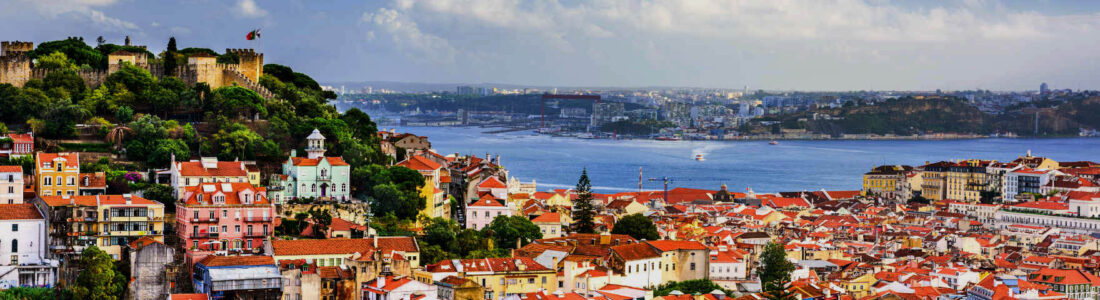
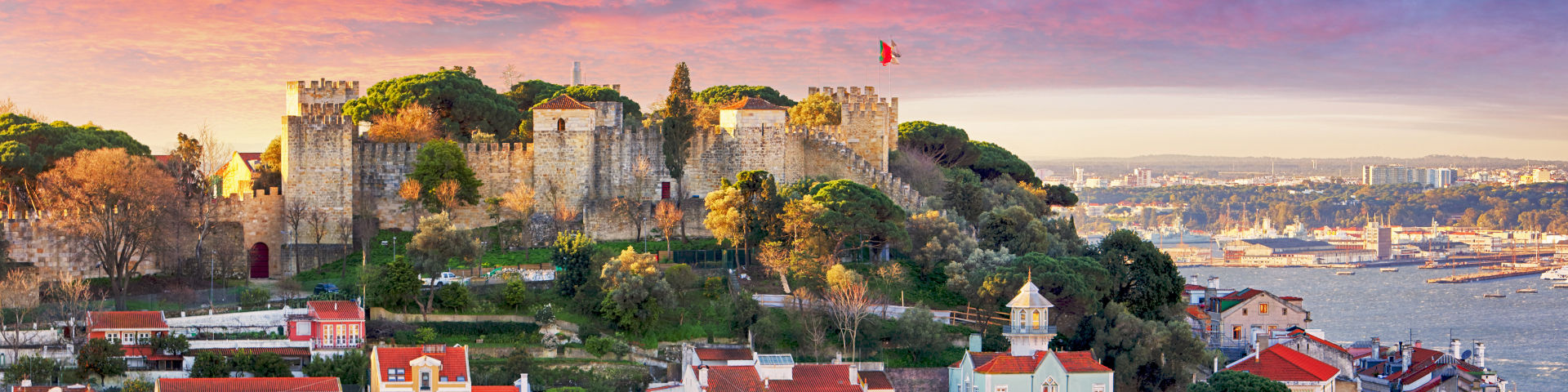
There’s so much to see and do in this beautiful country, it’s no wonder that it makes the top of the list for places to travel to each year. The capital city of Lisbon is known for its stunning architecture and built masterpieces such as the Belem Tower and São Jorge Castle, attracting thousands of visitors a year.

The laid-back city of Porto invites you to drink wine, eat and be merry with the locals. It’s located on the Douro River and has a rich vegetation, adding to the fresh produce that can be found in local markets daily. It’s also the food capital of the country with many authentic, family-run taverns.

Speaking of food, how can we not mention the wonderful flavours of Portugal that have travelled the world with their exotic aromas? Peri-peri, saffron and cinnamon have been made famous in Portuguese cooking, and only in the homeland’s cities will you experience its best uses. Try some local favorites like tasty caldo verde soup, a meaty plate of feijoada and of course, some bacalhau.

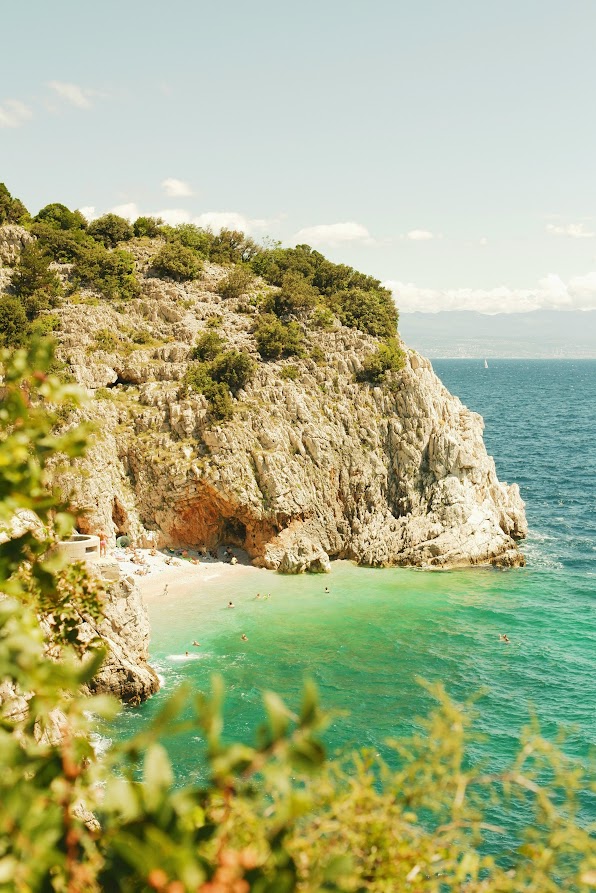
The coastal city of Algarve is stunning with rocky, cliff formations and turquoise waters, dating back centuries. While you’re on the coast, don’t forget to visit the island of Madeira and try its wine of the same name. The island is also famous for its meandering mountain trails that attract hikers from across the globe.

Compare several airlines, and book your cheap flights to Portugal online with Travelstart!

Best time to visit Portugal

For the best time to visit Portugal, consider visiting between spring (March to May) or autumn (September to November). Spring is the time for the beautiful gardens across the various cities to start blossoming and enticing visitors with their sweet smells. There is also a spring flower market in Madeira. Summers in Portugal are known to get really hot, but less so along the coasts. As the country is a hub for tourists from all across the world, visiting in peak season (June to August) is not the best idea as it is overcrowded and accommodation gets very pricey. For those looking to do some hiking, the most ideal time is over winter as the crisp air is perfect for a refreshing mountain trek. Don’t worry, there’s more than enough sunshine to defrost your bones with averages around 15°C.

Visa & Customs

South Africans who wish to visit Portugal will need to apply for a Schengen Visa, as this country falls under Schengen territory. You will need to apply at the Portuguese Embassy for your Schengen Visa.

Passports may not be older than 10 years, must have 2 blank pages and be valid for at least 3 months beyond your date of departure from the Schengen state.

The Embassy of Portugal is situated in Pretoria.

Address: 599 Leyds Street, Muckleneuk, Pretoria, 0132

Phone: ( 27) 012 341 2340 / ( 27) 012 341 2342

See this guide on how to apply for your Schengen visa.

Health & Safety

The vast majority of cities and towns in Portugal are safe for visitors to travel through. However, as the big cities such as Lisbon, Sintra and Cascais are often crowded, it is easy for pick-pockets to target tourists. Keep all important documents in the safe of your hotel and don’t walk around with your most expensive belongings. Stick to the populated and well-known areas of a city and avoid travelling alone in the evenings.

If you’re going to Madeira to do some hiking (amongst many of its other beautiful attractions), it is really important to be aware of your fitness levels as some of the trails are quite strenuous. It is also recommended to go with a guide.

It is always important to have your vaccines up to date when you are travelling. When visiting Madeira, it is suggested to get a vaccination for hepatitis A, hepatitis B, and rabies. These shots will protect you from unfamiliar food, contaminated water, animal bites and various other bacteria found in the soil. Please consult your doctor about these shots before your trip.

Where to Stay?

Accommodation in Portugal ranges from budget-friendly hostels and charming guesthouses to boutique design hotels, historic palace conversions and clifftop five-star resorts — and thanks to Portugal’s relatively affordable cost of living compared to much of Western Europe, South African travellers tend to find excellent value across all budget levels.

In Lisbon, the most atmospheric neighbourhoods to base yourself are Alfama — the city’s oldest and most characterful district, a labyrinth of cobblestoned streets, fado music and colourful tiled buildings cascading down to the Tagus River — and Bairro Alto, the bohemian hilltop neighbourhood famous for its nightlife and independent restaurants. Chiado and Príncipe Real offer a more polished, upscale experience with elegant boutiques, literary cafés and some of the city’s finest hotels. Well-regarded properties include the Bairro Alto Hotel, the Memmo Alfama and the grand Bela Vista Hotel and Spa in Cascais. For budget travellers, Lisbon has an excellent hostel scene — consistently rated among the best in Europe.

In Porto, the Ribeira waterfront district — a UNESCO World Heritage Site — is the most sought-after base, with its iconic colourful casas reflected in the Douro River and the famous Dom Luís I Bridge as a backdrop. The Bonfim and Cedofeita neighbourhoods are popular with independent travellers for their authentic local feel, excellent coffee shops and creative restaurant scene. Well-regarded options include the Yeatman Hotel in Vila Nova de Gaia — a wine-focused luxury hotel with sweeping views across the Douro Valley — and the charming Torel Avantgarde in the hilltop Bonfim district.

In the Algarve, accommodation clusters around the resort towns of Albufeira, Lagos, Vilamoura and Tavira. The western Algarve around Lagos and Sagres is favoured by independent travellers and surfers, with a good range of boutique guesthouses, surf lodges and self-catering apartments within reach of the region’s most dramatic clifftop beaches. The eastern Algarve around Tavira is quieter, more authentically Portuguese and ideal for travellers wanting to escape the larger resort crowds. Luxury travellers are well served by world-class golf resorts including the Vila Vita Parc near Porches and the Sublime Comporta — one of Portugal’s most celebrated design hotels, set among fragrant pine forests near the wild Comporta coastline.

On the island of Madeira, Funchal is the natural base — a compact, walkable city of volcanic black-and-white cobblestones, excellent restaurants and a charming waterfront. The iconic Belmond Reid’s Palace, perched on a clifftop above Funchal since 1891, is one of the most legendary hotels in the Portuguese-speaking world and well worth a visit even if you’re not staying. A range of mid-range hotels and self-catering quintas (country estates) are available across the island for those wanting to explore beyond the capital.

Portugal’s pousadas — a national network of historic monuments, castles, convents and palaces converted into hotels — are one of the country’s most unique accommodation offerings. Staying in a pousada in Óbidos, Évora or Sintra is an unforgettable way to experience Portugal’s layered history from the inside.

Ready to book? Search and book accommodation in Portugal at Travelstart and find the best deals across all budgets.

Getting Around

Getting around Portugal is straightforward and enjoyable — the country is compact by European standards, well connected by modern transport infrastructure, and offers some of the most scenic drives, train journeys and coastal routes in Southern Europe.

Trains (CP — Comboios de Portugal) are the most comfortable and scenic way to travel between Lisbon, Porto, Faro and the Algarve. The high-speed Alfa Pendular service connects Lisbon and Porto in approximately 2 hours 45 minutes, passing through the historic city of Coimbra. The Lisbon to Faro route takes approximately 2 hours 45 minutes on the fast Alfa Pendular service and offers beautiful views across the Alentejo plains. Book tickets in advance through the CP website for the best fares. Lisbon and Porto both have excellent urban Metro systems, tram networks and bus services for getting around within the cities.

In Lisbon, the iconic yellow trams — particularly the famous Tram 28 winding through Alfama — are as much a tourist attraction as a mode of transport. The Metro is the fastest and most efficient way to reach major sights and the airport. Taxis and ride-hailing apps including Uber, Bolt and FREE NOW are widely available and very affordable by European standards. Walking is genuinely the best way to explore Lisbon’s historic neighbourhoods — though the city’s famous hills can be steep; the traditional elevadores (funiculars) and ascensores (lifts) offer welcome relief.

In Porto, the Metro is clean, modern and efficient, connecting the city centre with the airport and the beachside suburb of Matosinhos. The riverside Ribeira district and the port wine lodges of Vila Nova de Gaia are best explored on foot. Taxis and Uber are readily available throughout the city.

For exploring Sintra, Cascais and the wider Lisbon Coast, regular commuter trains from Lisbon’s Rossio and Cais do Sodré stations make day trips effortless and affordable. The train journey from Lisbon to Sintra takes approximately 40 minutes and is one of the most popular day trips in Portugal.

For the Algarve, the Alentejo, the Douro Valley, Madeira and anywhere beyond the main train corridors, a hire car is by far the best option — and Portugal delivers some of Europe’s most rewarding driving experiences. The dramatic clifftop roads of the western Algarve between Sagres and Lagos, the winding vineyard roads of the Douro Valley, the wild Alentejo plains stretching to the Spanish border and Madeira’s breathtaking mountain passes and levada (irrigation channel) routes are all best experienced at your own pace behind the wheel. Roads are generally well-maintained and well-signposted throughout the country. A standard vehicle is sufficient for the vast majo

Discover popular cities in Portugal

More popular destinations

Download Travelstart App

TRAVEL HACK

Why book with us

Bringing you the best fares from all airlines

Expert assistance from booking to departure

Online destinations for planning your travels

Already booked your flight?

1000’s of options worldwide

Best price

Great service

Travelstart personalised support
Personalized assistance

Need help with your booking? Contact our expert TravelBar agents for guidance and booking assistance.