Seoul flights

Book cheap flights to Seoul

Last minute Seoul flight offers

Prices observed in the past 7 days start from N/A one-way and N/A round trip. Fares and availability may change at any time, and additional terms may apply.

Oops, seems like no one's been looking around.

Let's see what flights are available here.
Custom travel packages

Popular airlines to Seoul

Why visit Seoul

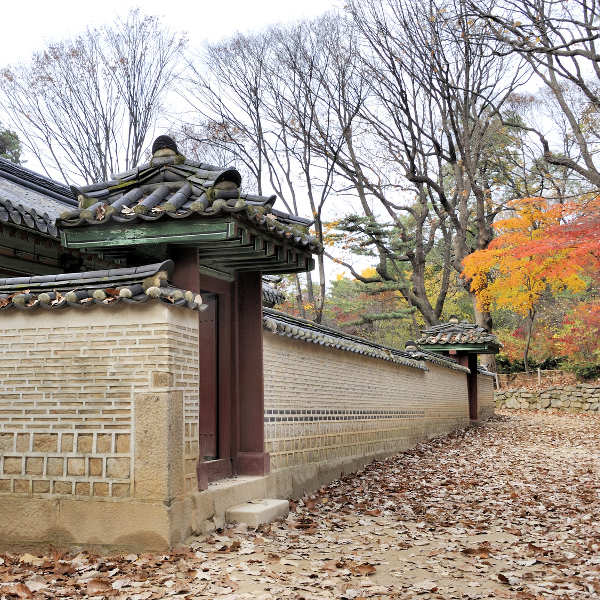
Seoul Jongmyo Shrine Seoul
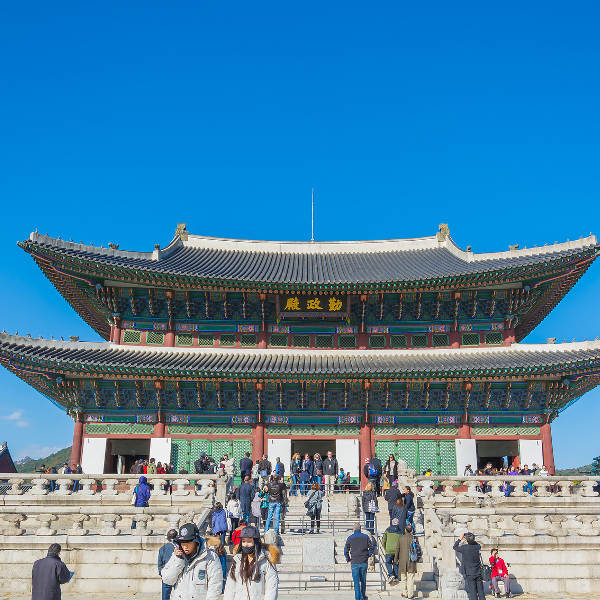
Seoul Gyeongbokgung Palace Seoul
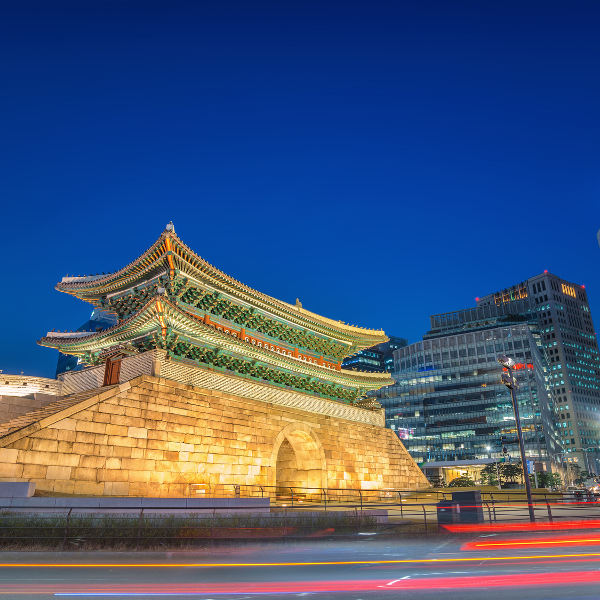
Seoul Namdaemu Gate Seoul

Seoul: South Korea’s electrifying capital, where ancient royal palaces, K-pop culture, Korean BBQ, and cutting-edge innovation create an unmatchable travel experience

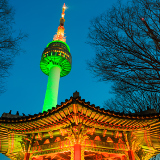
Seoul is the dynamic capital of South Korea and one of the world’s great megacities, home to approximately 9.7 million residents in the city proper and over 25 million in the greater metropolitan area. A city where ancient royal palaces stand alongside futuristic skyscrapers, Seoul offers an extraordinary range of experiences — from the grandeur of Gyeongbokgung Palace and the serenity of Bukchon Hanok Village to the global phenomenon of K-pop culture, world-class Korean BBQ, and the scenic Han River parks that run through the heart of the city. Leading attractions include Gyeongbokgung, Myeong-dong, N Seoul Tower, and the vibrant Dongdaemun Design Plaza.

Cheap flights to Seoul are available now — prepare to explore one of Asia’s most extraordinary destinations. Seoul is served by Incheon International Airport (ICN), approximately 60km from central Seoul and around 60–90 minutes by car or express train from the city centre. The airport serves airlines including Cathay Pacific, Asiana, and Singapore Airlines. Popular international flights are available from Johannesburg to Seoul, with a total journey time of approximately 17 hours including connections.

Weather In Seoul

Low
High °C
Rain-mm
Average temperature (°C) & rainfall (mm) per month

Frequently asked questions

Overview

Seoul is one of the most dynamic and multifaceted cities on earth — a place where 600-year-old royal palaces share the skyline with glass-and-steel skyscrapers, and where thousand-year-old culinary traditions are served alongside Michelin-starred modern Korean cuisine. The city rewards visitors at every turn, whether you are a culture lover, a foodie, a K-pop fan, or a tech enthusiast.

The royal palaces — Gyeongbokgung, Changdeokgung, and Deoksugung — are Seoul’s most iconic landmarks, offering a magnificent window into the Joseon Dynasty. The adjacent Bukchon Hanok Village preserves hundreds of traditional Korean hanok houses in a setting that feels utterly removed from the modern city surrounding it.

For shopping, Myeong-dong is a K-beauty paradise, Hongdae is Seoul’s indie arts and fashion hub, and Gangnam — immortalised in song — is the city’s sleek luxury district. Gwangjang Market is the place for authentic Korean street food, including bindaetteok (mung bean pancakes) and mayak gimbap. A sunset cruise on the Han River is one of Seoul’s most beloved local experiences.

For the truly adventurous, a day trip to the DMZ (Demilitarised Zone) on the North Korean border is one of the most sobering and fascinating experiences available anywhere in the world — easily organised as a guided day tour from Seoul.

Compare multiple airlines and book your cheap flights to Seoul online at Travelstart!

Most popular flight route to Seoul:

Cheap flights from Johannesburg to Seoul

Best time to visit Seoul

Seoul’s four seasons each offer a distinct and rewarding experience, and the best time to visit depends on your priorities. Spring (March to May) is one of the most magical times to visit — cherry blossoms transform the city’s parks and palace grounds in late March and April, drawing visitors from across the world. Temperatures are mild and comfortable, making it ideal for sightseeing and outdoor exploration. Book accommodation well in advance for the blossom peak. Autumn (September to November) is equally spectacular — vivid foliage turns Bukhansan National Park, Gyeongbokgung Palace, and the Han River parks into seas of red and gold. Temperatures are crisp and pleasant, crowds are manageable, and the Seoul Lantern Festival (November) illuminates the Cheonggyecheon Stream with thousands of handcrafted lanterns. Summer (June to August) is peak tourist season, bringing high humidity, the monsoon rainy season (jangma) in late June and July, and higher accommodation prices. Winter (December to February) is cold but offers the lowest prices, fewer crowds, excellent ski resorts within day-trip distance, and a uniquely beautiful snow-covered palace experience. For the cheapest flights to Seoul, winter is the best time to book.

Visa & Customs

South African passport holders can currently visit South Korea visa-free for tourism purposes for up to 90 days. South African travellers are presently exempt from the K-ETA (Korea Electronic Travel Authorisation) requirement for short-term tourist visits. However, entry requirements are subject to change, and travellers should confirm the latest regulations before departure.

Your passport should be valid for the duration of your stay, although at least 6 months’ validity beyond your travel dates is strongly recommended. Ensure you also have sufficient blank pages available for entry and exit stamps.

For visits for purposes other than tourism — including work, study, or long-term stays — different visa requirements apply. Contact the Embassy of the Republic of Korea in South Africa for guidance.

South African Embassy in South Korea:

Address: 1-37 Hannam-dong, Yongsan-gu, Seoul, South Korea

Phone: 82 2 2077 5900

Fax: 82 2 792 4856

Email: general@southafrica-embassy.or.kr

Health & Safety

No specific vaccinations are required to enter South Korea. However, the following are recommended before travelling to Seoul: Hepatitis A and B, Typhoid, and Japanese Encephalitis (particularly if visiting rural areas or travelling during summer). Routine vaccinations including MMR, diphtheria-tetanus-pertussis, varicella, polio, and influenza should be up to date before departure.

South Korea has an excellent standard of healthcare and medical facilities in Seoul are world-class, with many hospitals offering English-language services. Travel insurance covering medical expenses and emergency treatment is strongly recommended.

Seoul is consistently ranked as one of the safest major cities in the world — violent crime against tourists is extremely rare. Standard precautions apply: keep valuables secure, be aware of your surroundings in crowded areas such as Myeong-dong and Namdaemun Market where pickpocketing can occasionally occur, and use registered taxis or the metro rather than accepting rides from unofficial operators. Travelling alone at any hour is generally considered safe in Seoul by local and international standards.

Where to Stay?

Seoul offers accommodation across a wide range of neighbourhoods, budgets, and styles — from world-class luxury hotels to charming boutique guesthouses and traditional hanok stays.

Myeong-dong is the most popular base for first-time visitors — central, well-connected by metro, and within walking distance of major landmarks, shopping, and street food. Insadong and Bukchon offer a more cultural and traditional atmosphere, with boutique guesthouses and hanok homestays that put you at the heart of Seoul’s artistic heritage. Hongdae is the neighbourhood of choice for younger travellers — buzzing with cafés, live music, K-pop stores, and a youthful creative energy. Gangnam is Seoul’s upscale district, home to luxury hotels and high-end dining. Among the city’s most prestigious establishments are The Plaza Seoul, Banyan Tree Club & Spa Seoul, and The Westin Chosun — all centrally located and highly regarded. Accommodation costs range from approximately ₩84,000 per night for mid-range options to ₩425,000 and above for luxury properties.

Ready to book? Search and book accommodation in Seoul at Travelstart and find the best deals across all budgets.

Getting Around

Seoul has one of the finest and most extensive public transport systems in the world — clean, punctual, affordable, and remarkably easy to navigate even without Korean language skills. The Seoul Metro is the backbone of the city’s transport network, with nine colour-coded lines covering virtually every neighbourhood and major attraction. All signage is available in English, making it extremely tourist-friendly.

The most convenient way to pay for all public transport is with a T-money card — a rechargeable card available at convenience stores and metro station kiosks that works across the subway, buses, and taxis, and offers a small discount over single-trip fares. Purchase one on arrival at Incheon Airport.

For taxis and ride-hailing, Kakao T is South Korea’s dominant app — download it before you arrive for easy, transparent taxi booking in English. Uber operates in Seoul but with limited availability compared to Kakao T. Late-night buses cover major routes when the metro closes (approximately midnight to 5:30am).

Driving in central Seoul is not recommended due to heavy traffic and complex road systems. However, for day trips beyond the city — to Nami Island, the DMZ, Suwon Hwaseong Fortress, or the ski resorts of Gangwon Province — a car offers excellent flexibility. Search, compare, and book a car hire in Seoul at Travelstart. An International Driving Permit is required to drive in South Korea.

Places to Visit in Seoul

Seoul Cheonggyecheon
Seoul Changdeokgung
Seoul N Seoul Tower

More popular destinations

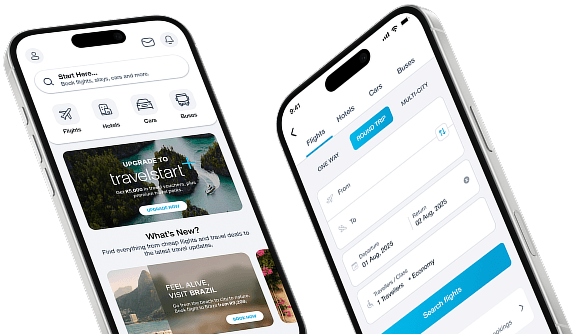
Download Travelstart App

TRAVEL HACK

Why book with us

Bringing you the best fares from all airlines

Expert assistance from booking to departure

Online destinations for planning your travels

Already booked your flight?

1000’s of options worldwide

Best price

Great service

Travelstart personalised support
Personalized assistance

Need help with your booking? Contact our expert TravelBar agents for guidance and booking assistance.