Morocco flights

Book cheap flights to Morocco

Popular flights to Morocco

Prices observed in the past 7 days start from R6519 one-way and R10899 round trip. Fares and availability may change at any time, and additional terms may apply.

Custom travel packages

Popular airlines to Morocco

Why visit Morocco

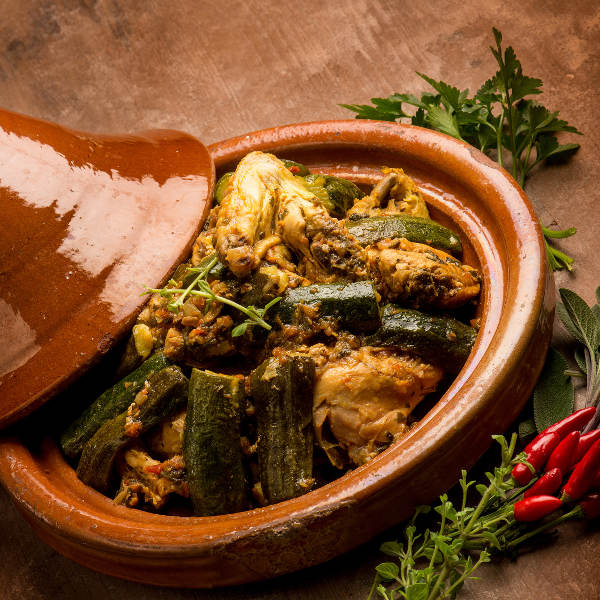
Morocco lamb-tagine-morocco
Morocco ruins-history-morocco
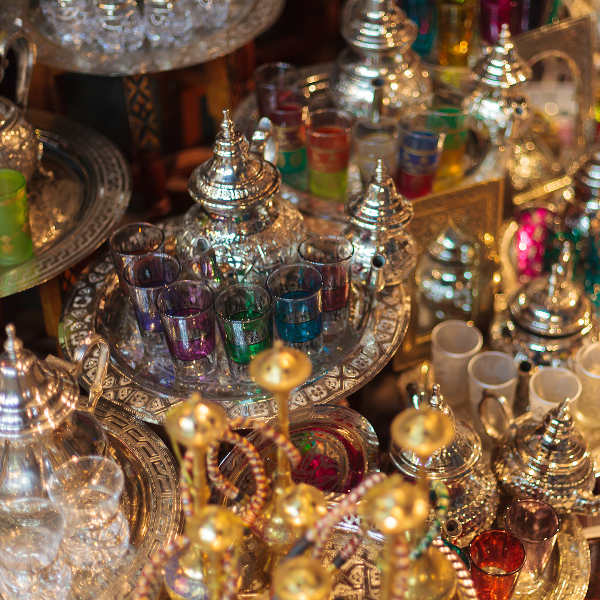
Morocco exotic-markets-morocco

Morocco: a sensory journey through ancient medinas, Saharan dunes and the vibrant soul of North Africa

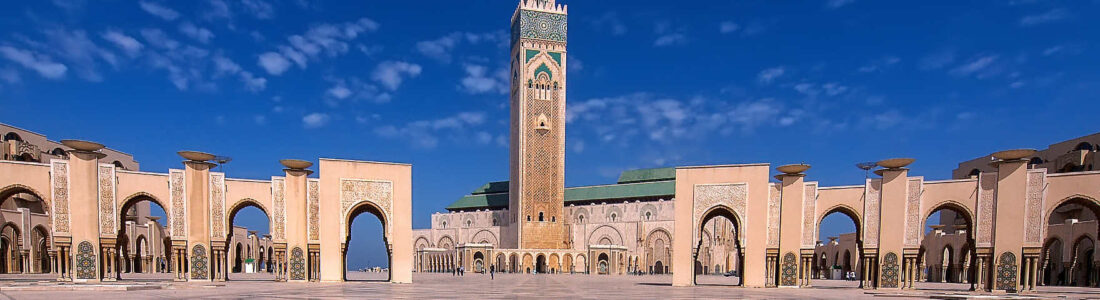
Morocco is a destination of extraordinary contrasts — where ancient medinas hum with centuries of history, the Sahara Desert stretches endlessly to the south, and Atlantic and Mediterranean coastlines offer some of North Africa’s finest beaches. Home to approximately 38 million people, Morocco is the gateway between Africa and Europe, and one of the continent’s most captivating travel destinations. Top attractions include the Fez Medina (a UNESCO World Heritage Site), the Hassan II Mosque in Casablanca and the legendary Jemaa el-Fnaa square in Marrakech.

Get ready for a sensory overload, because cheap flights to Morocco from South Africa are now available! Morocco’s most populous city, Casablanca, is home to Mohammed V International Airport (CMN), approximately 30–40 minutes from the city centre. CMN is served by Royal Air Maroc, Qatar Airways, Air France, Emirates and Turkish Airlines, among others. There are currently no direct flights from South Africa to Morocco — connecting flights depart from Johannesburg and Cape Town. Morocco is also a fantastic multi-city destination, with Marrakech Menara Airport (RAK) and Fez–Saïs Airport (FEZ) serving as popular entry points for travellers flying in from European hubs.
Weather In Morocco

Low
High °C
Rain-mm
Average temperature (°C) & rainfall (mm) per month

Frequently asked questions

Overview

With the Atlantic Ocean to your west, the Mediterranean to your north, the mighty Atlas Mountains rising through the interior and the Sahara Desert sprawling to the south, Morocco is more beautiful and diverse than you can imagine — full-flavoured dishes, a culture so rich it feels like a different world, and landscapes that leave you breathless at every turn.

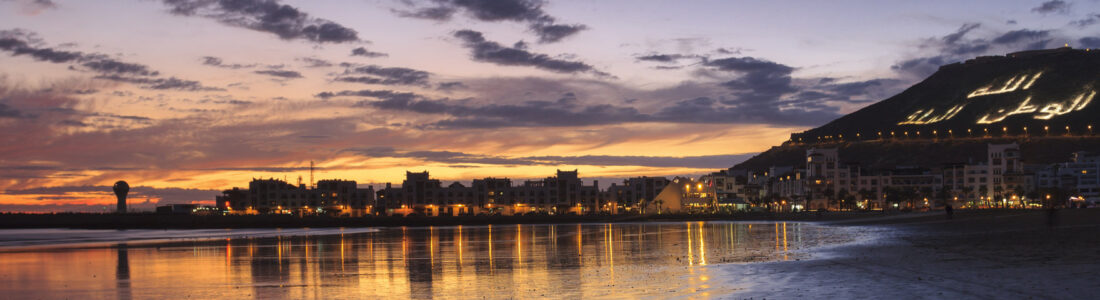
For those wanting to dip their toes in the ocean, the Atlantic coastlines of Agadir and Essaouira offer soft sands and welcoming waters, while the Mediterranean shores near Tangier and Al Hoceima in the north provide a different, equally beautiful coastal experience. If you’re more of an adventurer with space for hiking boots in your luggage, the High Atlas Mountains — rising to over 4,000 metres at Jbel Toubkal, the highest peak in North Africa — offer spectacular trekking across Berber villages and dramatic mountain passes.

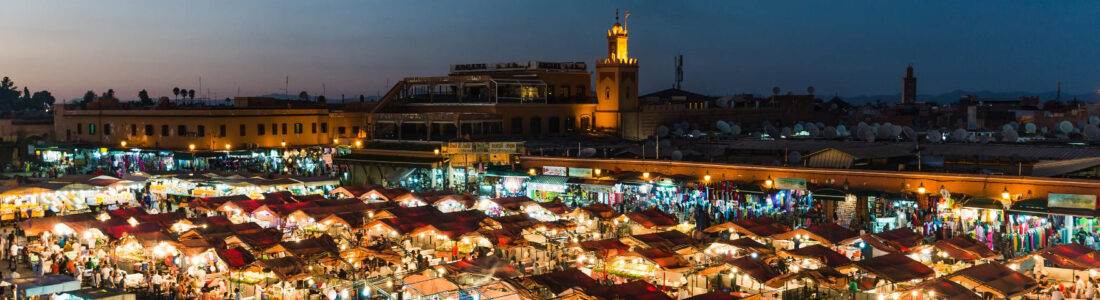
Feel the electric buzz of Marrakech — Morocco’s most visited city and its beating cultural heart. The Jemaa el-Fnaa square is everything your senses could wish for, erupting into a spectacular open-air carnival of food stalls, musicians and storytellers at dusk. Lose yourself in the souks of the medina, visit the stunning Bahia Palace and the fragrant Majorelle Garden.

No visit to Morocco is complete without exploring Chefchaouen — the enchanting Blue City nestled in the Rif Mountains, where every alley and doorway is painted in shades of blue and white. It is one of the most photographed destinations in Africa.

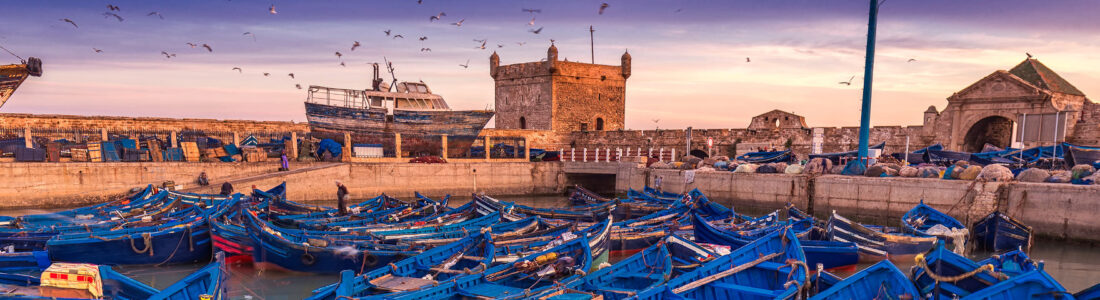
Between the Sahara Desert and Marrakech lies the ancient fortified village of Aït Benhaddou — a UNESCO World Heritage Site built entirely of clay and rock, and the filming location for blockbusters including Gladiator and the hit series Game of Thrones. For an authentically Moroccan experience, mount a camel and venture into the dunes of Merzouga in the Sahara for an unforgettable overnight desert camp under the stars.

Compare several airlines and book your cheap flights to Morocco online at Travelstart!

Best time to visit Morocco

Morocco’s climate varies dramatically by region — from the mild Atlantic coast and the hot, dry desert south to the snow-capped Atlas Mountains — so the best time to visit depends on where you’re heading. **Spring (March to May) — Best overall** The most popular and arguably the best time to visit Morocco. Temperatures are pleasant (22°C–28°C), wildflowers bloom in the Atlas Mountains, and the cities are alive with colour and energy without the oppressive summer heat. Ideal for city exploration, trekking and desert excursions. **Autumn (September to November) — Excellent alternative** Another excellent time to visit, with comfortable temperatures, fewer crowds than spring and beautiful golden light across the landscapes. October is particularly good for visiting Fez, Marrakech and the Sahara. **Summer (June to August) — Avoid inland cities** Temperatures in inland cities like Marrakech and Fez regularly exceed 40°C and can be extremely uncomfortable. The Atlantic coast (Agadir, Essaouira) and the northern Mediterranean coast remain cooler and are popular beach destinations during this period. **Winter (December to February) — Budget season** Mild and pleasant on the coast, but cold in the mountains (with snow on the High Atlas peaks — skiing is possible at Oukaimeden near Marrakech). The Sahara is cool at night but warm during the day — a magical time to visit the dunes. City crowds are at their lowest and accommodation rates drop significantly. For the cheapest flights to Morocco from South Africa, consider travelling between mid-November and February — low season means better fares while the weather remains perfectly comfortable on the coast and in the desert.

Visa & Customs

South African passport holders do not require a visa to visit Morocco for stays of up to 90 days. Entry is granted on arrival upon presentation of a valid South African passport. It is recommended that your passport be valid for at least 6 months beyond your travel dates and contain sufficient blank pages for entry stamps.

Morocco is one of the most accessible North African destinations for South African travellers, with no tourist visa application required for short stays.

For more information or assistance during your visit, contact the Embassy of Morocco in Pretoria:

Address: 799 Francis Baard Street, Arcadia, Pretoria, 0083

Tel: 27 12 343 0230

The South African Embassy in Morocco is located in Rabat:

Address: 34 Rue des Saadiens, Rabat

Tel: 212 537 706 760

Health & Safety

Morocco is a safe and welcoming destination for South African travellers. With a little cultural awareness and common sense, your trip should be thoroughly enjoyable and hassle-free.

In busy tourist areas — particularly the medinas of Fez and Marrakech — be alert to pickpockets and opportunistic vendors. Solo female travellers may experience unwanted attention in crowded souks and markets; walking with purpose, dressing modestly and using a reputable local guide can make the experience significantly more comfortable. In Marrakech and Casablanca, tourist-friendly areas are very well established and generally safe.

Morocco is a predominantly Muslim country — dress respectfully when visiting mosques, religious sites and traditional neighbourhoods. Covering your knees and shoulders is appreciated and, in some areas, expected. During the holy month of Ramadan, be mindful of eating, drinking and smoking in public during daylight hours.

Public transport — including buses and trains — is efficient, affordable and widely used. Morocco’s Al Boraq high-speed train connects Casablanca with Tangier in under 2 hours and is a comfortable and modern travel option. When using private taxis, always agree on a fare with the driver before departing.

No vaccinations are required for entry into Morocco, but it is advisable to visit your doctor 4–6 weeks before your trip. Recommended immunisations include hepatitis A and B, typhoid and rabies. Drink bottled water throughout your trip and avoid uncooked street food if you have a sensitive stomach.

Where to Stay?

Accommodation in Morocco is as rich and varied as the country itself — from atmospheric traditional riads hidden behind ornate doorways in ancient medinas, to modern beach resorts, boutique mountain lodges and Saharan desert camps under the stars.

In Marrakech, staying in a riad in the medina is the quintessential Moroccan experience. These traditional courtyard houses — often centuries old and lovingly restored — offer beautifully tiled interiors, rooftop terraces and exceptional hospitality at a range of price points. The Guéliz neighbourhood (the new city) offers more modern hotel options, including international chains, closer to the city’s contemporary restaurants and shops.

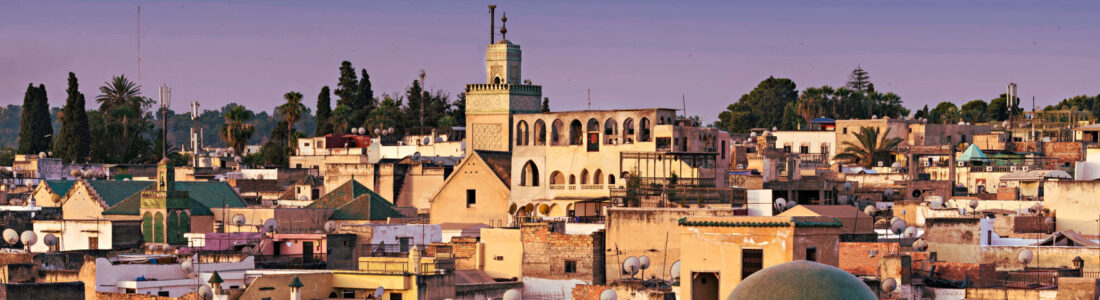
In Fez, the medina is a UNESCO World Heritage Site and the largest car-free urban area in the world — staying within or just outside its walls puts you at the heart of one of the most extraordinary cities in Africa. Chefchaouen offers charming boutique guesthouses and small hotels woven into the blue-washed streets of the medina, with stunning mountain views.

For a beach holiday, Agadir offers a wide selection of all-inclusive resorts and family-friendly hotels along its long Atlantic beach, while Essaouira’s windswept charm attracts boutique travellers and kitesurfers. In the Sahara, luxury desert camps near Merzouga offer a once-in-a-lifetime experience — private tents with en-suite facilities, camel rides at sunset and a sky full of stars.

Ready to book? Search and book accommodation in Morocco at Travelstart and find the best deals across all budgets.

Getting Around

Getting around Morocco is surprisingly easy and enjoyable — the country has an excellent transport network by African standards, with modern trains, comfortable long-distance buses and a growing number of domestic flight options.

Train (ONCF) is the most comfortable way to travel between Morocco’s major cities. The Al Boraq high-speed train connects Casablanca with Tangier in under 2 hours at speeds of up to 320km/h — the fastest train in Africa. Regular intercity trains connect Casablanca, Rabat, Fez, Meknès and Marrakech efficiently and affordably. Book tickets in advance through the ONCF website.

Long-distance buses operated by CTM and Supratours are a comfortable and affordable option for routes not covered by train — including Agadir, Essaouira, Ouarzazate and the southern desert regions. Air-conditioned coaches are clean and reliable.

Within cities, petits taxis (small, metered city taxis) are the most convenient option. In Marrakech and Fez, taxis cannot enter the medinas — you’ll need to walk or use a horse-drawn calèche for the last stretch. Always ensure the meter is running or agree on a fare upfront. Ride-hailing apps including Careem and inDrive operate in Casablanca and Marrakech.

For exploring Morocco’s most spectacular landscapes — the High Atlas Mountain passes, the Draa Valley, the road to Merzouga and the Atlantic coastal route — a hire car is the ideal option and one of the best ways to experience the country. Roads between major cities are generally well-maintained, though mountain routes require care. A standard vehicle is sufficient for most routes; a 4×4 is recommended for desert pistes and remote mountain roads.

Planning a self-drive road trip through Morocco? Search, compare and book a car hire in Morocco at Travelstart and find the best rate for your adventure.

Discover popular cities in Morocco
More popular destinations

Download Travelstart App

TRAVEL HACK

Why book with us

Bringing you the best fares from all airlines

Expert assistance from booking to departure

Online destinations for planning your travels

Already booked your flight?

1000’s of options worldwide

Best price

Great service

Travelstart personalised support
Personalized assistance

Need help with your booking? Contact our expert TravelBar agents for guidance and booking assistance.