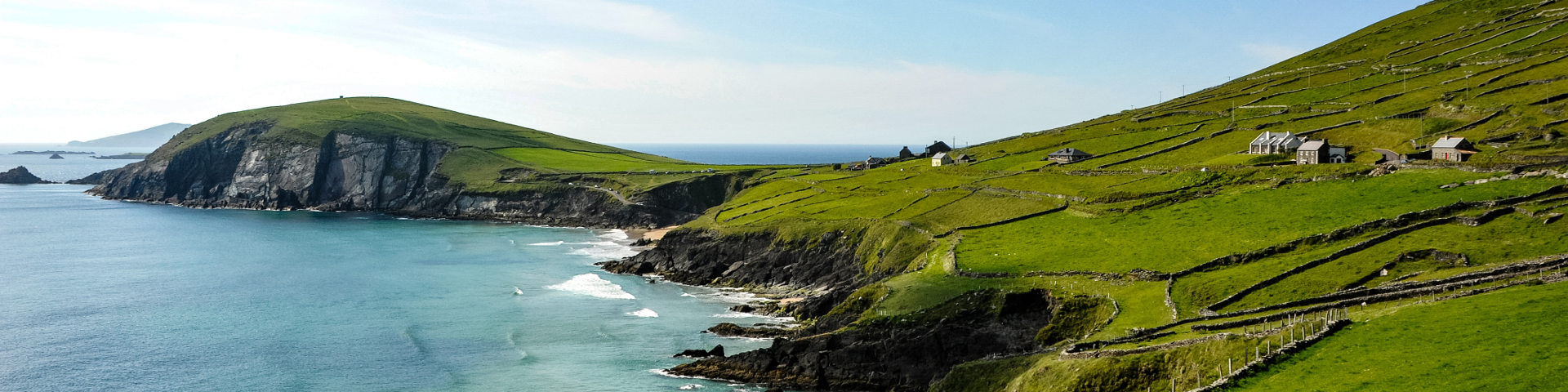
Book cheap flights to Ireland

Popular flights to Ireland

Prices observed in the past 7 days start from R1189 one-way and R2229 round trip. Fares and availability may change at any time, and additional terms may apply.

Custom travel packages

Popular airlines to Ireland

Why visit Ireland

Ireland friends drinking beer
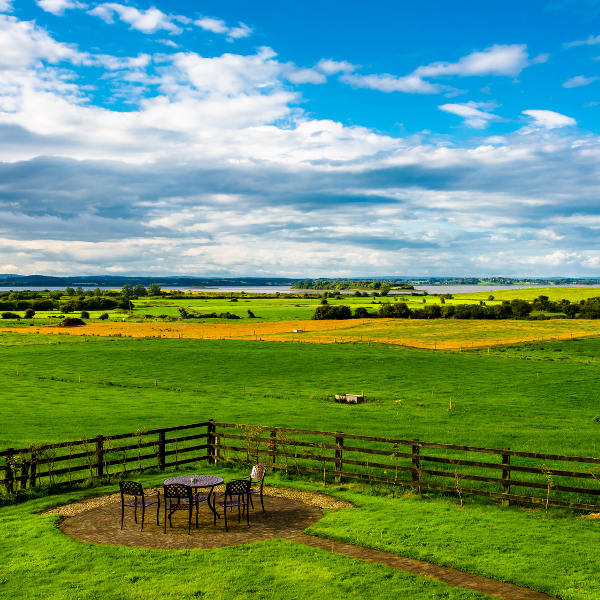
Ireland green landscapes ireland
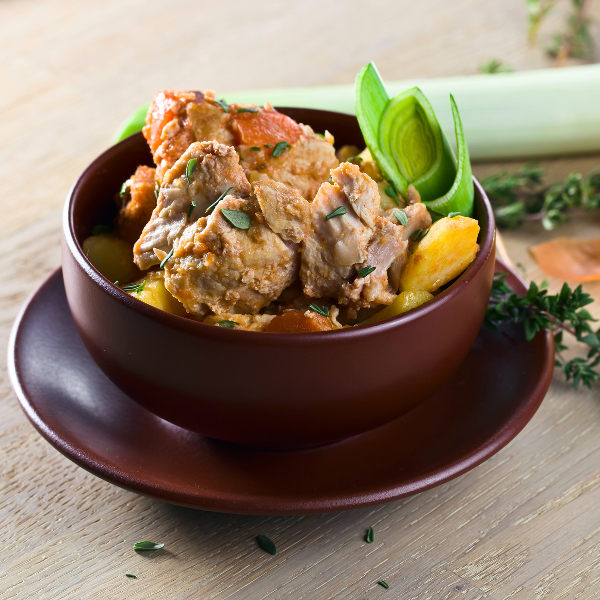
Ireland lamb dish

Ireland: an incredible place home to wonderful history, fantastic legends and stunning landscapes

Ireland is a lush island in the North Atlantic, complete with castles, rolling green hills and let’s not forget, Guinness beer. It is the second-largest island of the British Isles, with a population of approximately 6.4 million hospitable Irish locals. Popular attractions include Bunratty Castle in Shannon, SS Nomadic in Belfast and The Guinness Storehouse in Dublin.

Cheap flights to Ireland are now available for a limited period of time, so prepare for an amazing holiday in this glorious country! Dublin is the home of Dublin International Airport (DUB), which is a 15-minute drive from the scintillating heart of the city. The airport serves a multitude of airlines, including British Airways, Emirates and Lufthansa. Popular international flights to Dublin depart from Johannesburg and Cape Town. The flight duration from Johannesburg to Dublin is approximately 13 hours, 45 minutes.
Weather In Ireland

Low
High °C
Rain-mm
Average temperature (°C) & rainfall (mm) per month

Frequently asked questions

Overview

Ireland, or more poignantly, “The Emerald Isle”, welcomes you with fantastic landscapes of rolling hills, illuminated green scenery and surrounding mountains. It is an island country with a huge and in-depth political history, which pulsates through the identity of the Irish.

The capital city, Dublin, is located at the mouth of the River Liffey and boasts sensational historic architecture. Popular attractions include the Dublin Castle which dates back to the 13th century and St. Patrick’s Cathedral, founded in 1191. This vastly beautiful and charismatic city is the birthplace of authors such as James Joyce, Samuel Beckett and Oscar Wilde. Belfast is the birthplace of the world renowned passenger liner that sank in the North Atlantic Ocean, the RMS Titanic. The city has become a cosmopolitan metropolis with an infectious vibrancy for life. Pay a visit to incredible places such as the Ulster Folk Museum, Crumlin Road Gaol and award-winning clubs and restaurants. South of Belfast is the medium-sized town called Downpatrick. This ancient town is said to be the birthplace of Saint Patrick, after which the Irish, and as of late, the rest of the world celebrate St. Patrick’s Day!

A trip to Ireland is sure to leave its mark on you, from hearty food to warm and loving people, you will leave this island with an appreciation for a simple nature filled life!

Compare several airlines and book your cheap flights to Ireland online at Travelstart!

Best time to visit Ireland

Ireland has a mild but changeable oceanic climate, with few extremes. Its peak season is from June to August (summer months) and Christmas time. This means tourists will have to fork out additional spending money as prices of airfare, cars and accommodation are at its highest. During summer, you can expect the sun to rise around 6am and set around 10pm. The weather is pleasantly warm and all attractions are open for incredible sightseeing. Attend sensational festivals in Dublin in the summertime. If you wish to avoid crowds, consider the month of September, as it is still beautifully warm. The best time to visit any city in Ireland would be in spring (February to April) and autumn (August to October). Witness the beautiful foliage during the autumn months, while spring sees nature’s elegance kick in with majestic flowers blossoming.

Visa & Customs

South African passport holders do not require a visa to enter Ireland for a stay of up to 90 days. Your passport should be valid for 6 months after your return date. Travellers should have at least 2 blank pages for entry stamps.

South African Embassy in Dublin:

Alexandra House, 2nd Floor Earlsfort Centre Earlsfort Terrace Dublin Ireland

Phone Local: (01) 661 5553

International: 353 1661 5553

Health & Safety

You should be up-to-date on routine vaccinations before travelling to Ireland. These vaccines include measles-mumps-rubella (MMR), diphtheria-tetanus-pertussis, varicella (chickenpox), polio, and your yearly flu shot. Travellers are advised to obtain comprehensive travel insurance that will cover medical costs and medical evacuation in Ireland.

Ireland has a low level of violent crime incidences, however, tourists are still encouraged to always practice caution when touring the various cities.

  • Be wary of theft in rental cars, especially in Dublin’s city centre and popular tourist areas.
  • Keep car doors locked while driving.
  • Remain vigilant when withdrawing money at ATMs.
  • Avoid carrying large sums of money.
  • Do not wear flashy jewellery in public.

Where to Stay?

Ireland offers an accommodation landscape deeply shaped by the country’s history, landscape, and legendary hospitality, ranging from grand five-star hotels and world-famous castle stays to some of the warmest, most personal guesthouses and bed and breakfasts in Europe. The Irish B&B is a national institution — inspected and graded by Fáilte Ireland, the national tourism body, on a 2–5 star scale — and offers a full cooked Irish breakfast (the traditional fry with soda bread and black and white pudding), genuine personal warmth from hosts, and local knowledge that no hotel concierge can replicate. Found in farmhouses, Georgian townhouses, and seaside cottages across every county, they remain one of the best-value and most authentic ways to experience the country.

For those seeking something extraordinary, Ireland’s castle hotels are genuinely world-class. Ashford Castle in County Mayo — once the estate of the Guinness family, set on the shores of Lough Corrib — and Dromoland Castle in County Clare, the ancestral home of the O’Brien clan and conveniently close to Shannon Airport, represent the pinnacle of the genre. Adare Manor in County Limerick, Ballynahinch Castle in Connemara, and dozens of smaller, more affordable castle properties across the country make staying in a genuine medieval or Georgian fortress a realistic option for most budgets. The Hidden Ireland collection — a curated network of privately owned Georgian country houses and historic estates offering B&B accommodation — provides an equally atmospheric alternative for those wanting to experience Ireland’s heritage in a more intimate setting.

Self-catering options range from traditional thatched cottages on the Atlantic coast of Connemara and Clare to contemporary lakeside lodges in Kerry and converted stone farmhouses throughout the West. Major international chains including Marriott, Hilton, and IHG operate in Dublin and Ireland’s larger cities, while homegrown groups such as Trigon Hotels and The Doyle Collection are well-regarded domestic operators. Budget travellers are served by a solid hostel network across Dublin and the main tourist towns, along with guesthouses classified under the Fáilte Ireland rating system.

In Dublin, the most popular bases for first-time visitors are the Temple Bar and Trinity College area — cobblestoned, central, and within walking distance of the Book of Kells, Grafton Street, and the River Liffey — and the elegant Georgian Quarter around Merrion Square and St Stephen’s Green, which offers a quieter, more refined atmosphere alongside the National Gallery and National Museum. Beyond Dublin, Killarney is the main gateway to the Ring of Kerry and Killarney National Park, Galway is the vibrant base for Connemara and the Aran Islands, and Kilkenny and Cork each have strong independent hotel and guesthouse scenes perfect for the country’s interior and south coast.

Book well in advance for the summer season (June to August), particularly in the West of Ireland where accommodation is limited relative to demand. The St Patrick’s Day period in March, the Galway Races (late July/early August), the Galway International Arts Festival (July), and the Electric Picnic festival (Laois, September) all drive significant pressure on accommodation nationally and regionally.

Whether you’re looking for a castle hotel, a cosy B&B, a seaside self-catering cottage, or a city hotel, you can find and book a huge variety of accommodation across Ireland at Travelstart Accommodation.

Getting Around

Ireland is one of the world’s great self-drive destinations — the country’s compact size, scenic variety, and well-maintained road network make touring by hire car one of the most rewarding ways to explore it, and many of the country’s most celebrated landscapes, including the Wild Atlantic Way, the Ring of Kerry, the Dingle Peninsula, Connemara, and the Cliffs of Moher, are accessible only in full by road. You can compare and book affordable rental cars across Ireland with Travelstart Car Hire. Car hire is available at all major Irish airports including Dublin (DUB), Shannon (SNN), Cork (ORK), Knock (NOC), and Kerry (KIR), from companies including Hertz, Europcar, Avis, Budget, Enterprise, Sixt, and local operator Dooley. Note that most hire cars in Ireland are manual transmission — if you require an automatic, specify this clearly at the time of booking as automatics are limited in supply and often more expensive.

Ireland drives on the left-hand side of the road in right-hand drive vehicles. Visitors from most countries can drive on their valid home country licence; EU/EEA licence holders can drive until their licence expires, while non-EU visitors may drive for up to 12 months from entry. An International Driving Permit (IDP) is recommended alongside any licence not printed in the Roman alphabet. Speed limits in the Republic of Ireland are signed in kilometres per hour (km/h) — not miles per hour, which is an important distinction from Northern Ireland. Current speed limits are 50 km/h in built-up areas, 80 km/h on regional roads, 100 km/h on national roads, and 120 km/h on motorways. Note that Ireland introduced a Road Traffic Act in 2024 reducing limits on secondary roads; these reduced limits are being phased in through 2025–2027. The minimum age to hire a car is generally 21, and most companies impose a surcharge for drivers under 25. A credit card — not a debit card — is required at all major hire companies for the security deposit.

Ireland has tolled roads, particularly around Dublin — the M50 orbital motorway uses a camera-based free-flow system called eFlow that reads number plates automatically; payment must be made online or at a Payzone outlet by midnight the following day. Other toll roads use manned booths where cash or card is accepted. There are no toll roads in Northern Ireland. Road signs in the Republic of Ireland are in both English and Irish (Gaeilge); in Gaeltacht (Irish-speaking) regions in the West, particularly parts of Galway, Donegal, and Kerry, signs may be in Irish only — downloading a navigation app before travel is strongly recommended. Driving in central Dublin is best avoided due to heavy traffic, bus corridors, and limited parking; Ireland’s cities are compact enough that public transport, walking, and taxi apps (Freenow and Uber both operate in Dublin) are more practical for urban exploration. Collect your hire car at the airport and head directly for the open road.

Discover popular cities in Ireland

More popular destinations

Download Travelstart App

TRAVEL HACK

Why book with us

Bringing you the best fares from all airlines

Expert assistance from booking to departure

Online destinations for planning your travels

Already booked your flight?

1,000’s of options worldwide

Best price

Great service

Travelstart personalised support
Personalised assistance

Need help with your booking? Contact our expert TravelBar agents for guidance and booking assistance.