Australia flights

Book cheap flights to Australia

Popular flights to Australia

Prices observed in the past 7 days start from R7589 one-way and R13709 round trip. Fares and availability may change at any time, and additional terms may apply.

Custom travel packages

Popular airlines to Australia

Why visit Australia
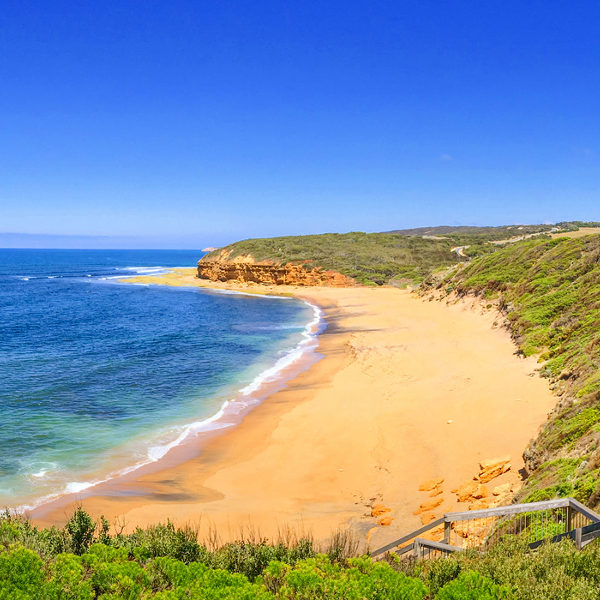
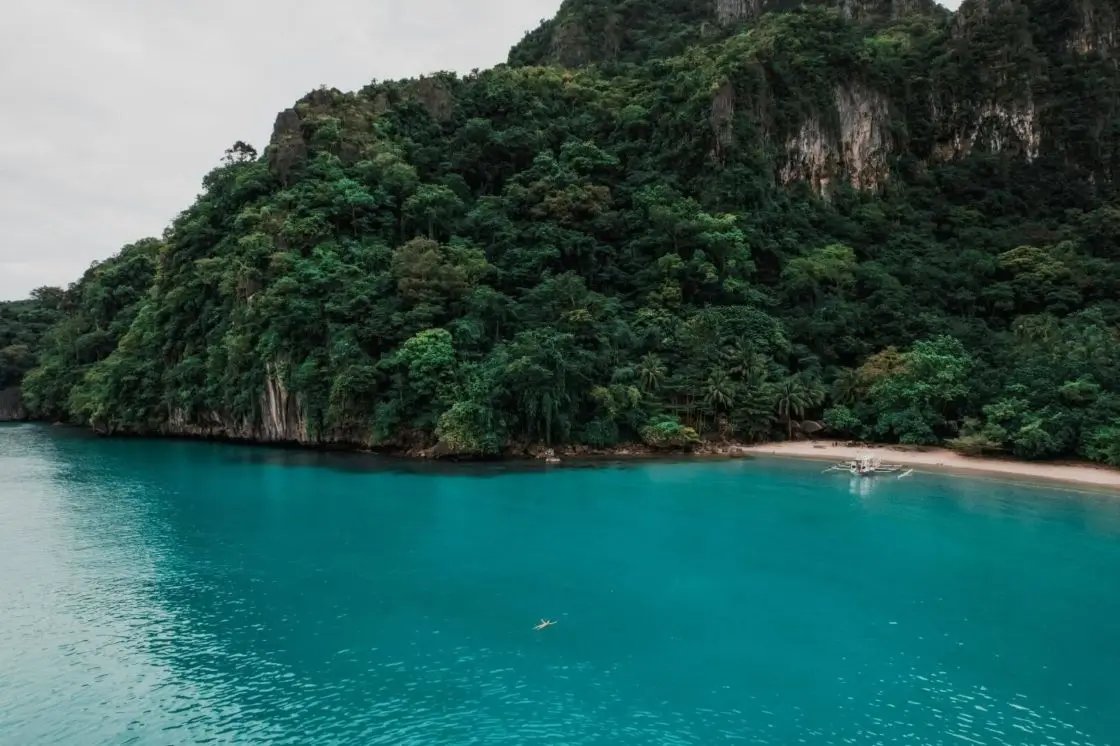
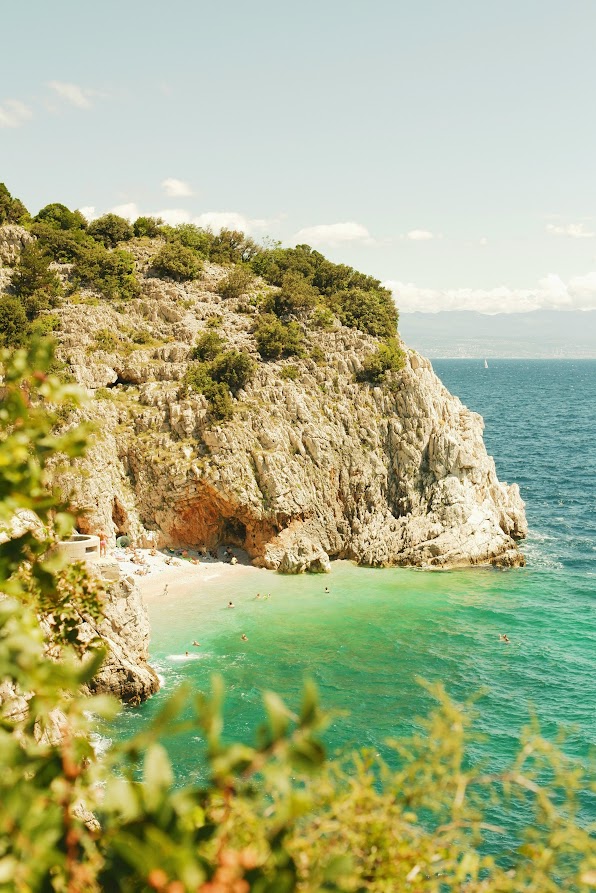
Australia Australia Beach
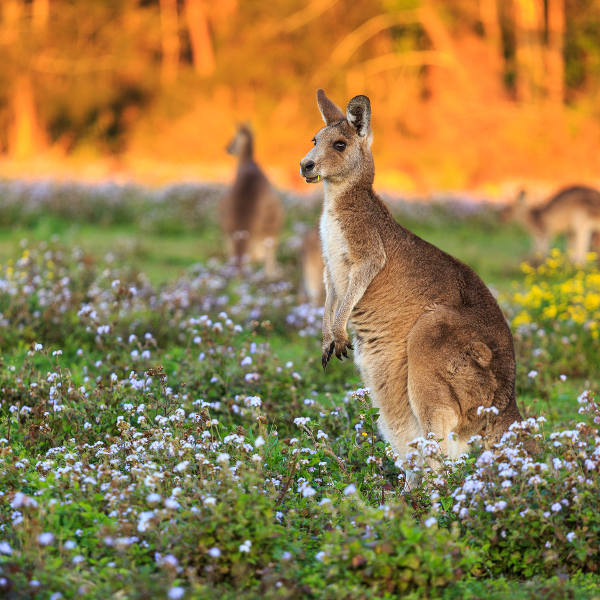
Australia Australia Wildlife
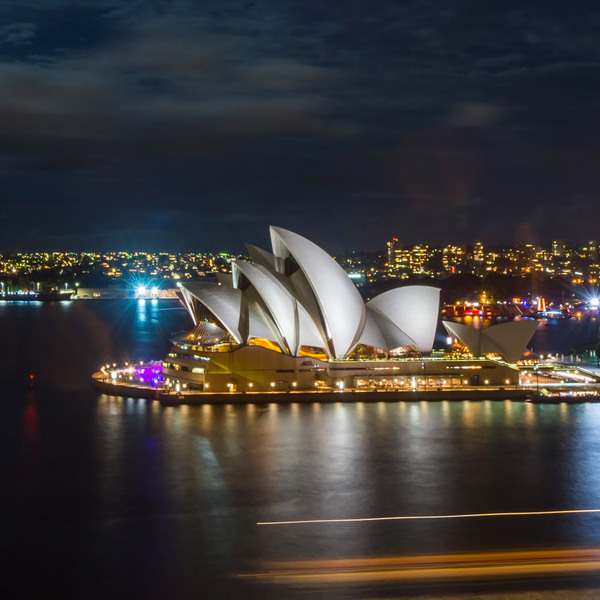
Australia Australia Architecture

Australia: a destination abundant with breathtaking coastlines, deserts and indigenous storytelling

Australia is an exotic country in Oceania. This island nation is home to more than 23 million residents and is known for its coastal cities and an unspoiled interior. Australia offers you glamorous city life and breath-taking nature. Top attractions include Sydney Harbour, the Australian War Memorial in Canberra and the Kings Park and Botanic Garden in Perth.

Get ready for an amazing holiday experience in Oceania, because cheap flights to Australia are now available for a limited time! Australia’s hub airport is Sydney Airport (SYD), a 20-minute drive or a swift 10-minute train ride from Sydney’s city centre. SYD serves a multitude of airlines, including Qantas, Virgin Australia and Emirates. Non-stop flights to Sydney are available from Johannesburg, with connecting flights from Cape Town. Flight duration from Johannesburg to Sydney is approximately 11 hours, 45 minutes.
Weather In Australia

Low
High °C
Rain-mm
Average temperature (°C) & rainfall (mm) per month

Frequently asked questions

Overview

Australia provides an exceptional holiday opportunity. Its modern and alluring coastal cities invite you to enjoy accommodation in style, while its rugged centre will inspire your adventurous spirit.

The scenic capital, Canberra, is situated inland from the coast, and is home to many national museums, galleries and institutions, such as the National Museum of Australia, the National Portrait Gallery and Questacon. Its beautiful streets will be a joy to explore, with many bordered by lush gardens, including the Australian National Botanic Gardens, Commonwealth Park and Mount Pleasant Nature Reserve.

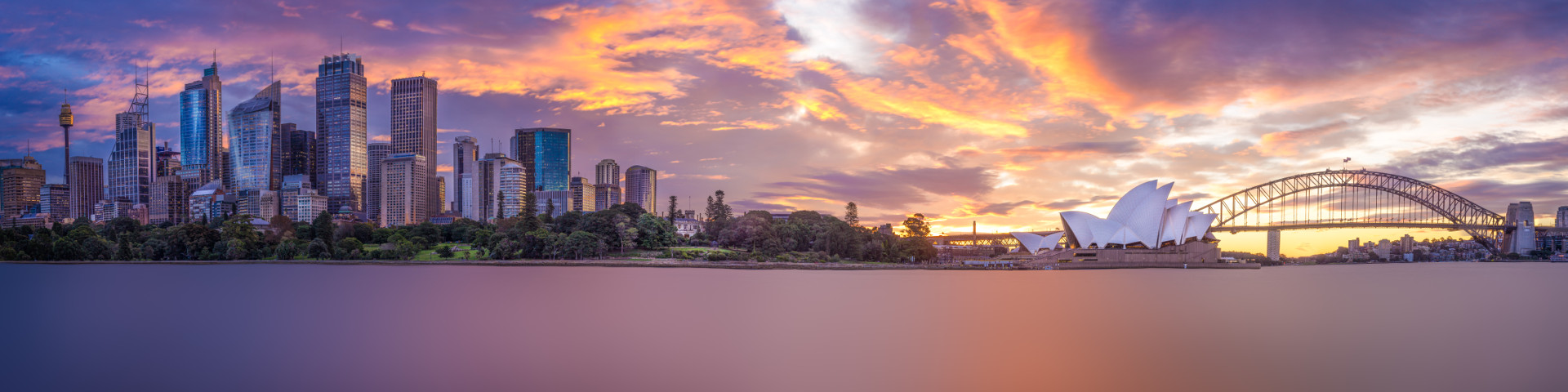
Sydney, easily Australia’s most popular and its largest city, is a stunning tourist destination to behold. The first sights to greet you as you lay eyes on this metropolis include the Sydney Opera House, an exceptional architectural achievement, and the magnificent Sydney Harbour Bridge. Besides its gorgeous facade, the city includes a vibrant arts and entertainment scene; make sure to catch a wonderful performance at the Opera House!

Melbourne, also offers a rich arts movement, and is where Australian film and television began. Be entertained at the Regent Theatre, admire the original creations at the National Gallery of Victoria and explore the historic sites, such as Old Melbourne Gaol and The Johnston Collection.

Perth draws many visitors with its natural and material wealth. Its most eye-catching attraction is the King’s Park and Botanic Garden, a huge 1,000-acre park, home to a diverse selection of native plants and birds. Its best highlights include the tranquil Place of Reflection, an acacia garden and the scenic water garden. Perth additionally offers a wealth of stunning beaches, such as Port Beach, Rockingham Beach and the pine-flanked Cottesloe.

Compare several airlines and book your cheap flights to Australia online at Travelstart!

Best time to visit Australia

Low season in Australia sits between mid-April and late June (late autumn/early winter). Temperatures are cooling down from the summer (December – February) during this period, with high rainfall, except in Canberra and Melbourne, which enjoy low rainfall throughout the year. Annual events and festivals that take place during this period include the National Folk Festival in Canberra (April) and writers’ festivals in Sydney, Melbourne and the Northern Territory (May). While this period will offer you the lowest accommodation rates and the cheapest flights, consider visiting during March (early autumn) and between September and November (spring). These shoulder seasons will offer you reasonable accommodation rates, while you will find most of the cities of Australia free from the high volume of tourists from the peak season. An added bonus is the warm weather. In Sydney and Brisbane, rainfall is still high during March, but there is a drop between September and November. A visit during these months will give you the opportunity to enjoy exciting events, such as the Adelaide Festival of Arts (March), Ten Days on the Island in Tasmania (March), and the Brisbane Festival (September).

Visa & Customs

South Africans require a visa to enter Australia. Processing can take plenty of time, so make sure you plan accordingly to receive your visa before your departure date. Your passport must have a validity of six months after your return date and have two blank pages available for stamps.

See this guide on how to apply for your Australian visa.

The South African High Commission is located in the capital, Canberra.

Address: State Circle, Yarralumla, Canberra, ACT 260

Phone: 61262727300

Fax: 61262733203

Health & Safety

Before your trip to Australia, make sure you receive all the routine vaccinations. While you are not required to get additional vaccines and medication, you may need to because of what you do and where you go within the country. Other diseases that you should guard against include:

• Hepatitis A – Spread through contaminated food and water

• Hepatitis B – Spread through sexual contact, contaminated needles and blood products

• Japanese encephalitis – Spread through mosquito bites

• Rabies – Spread through the bites of infected animals (including bats and dogs)

When driving between the cities and towns of Australia, be careful not to drive for too long during the day, especially during the summer, when the high temperatures may give you fatigue. Additionally, be mindful of wildlife crossing the road. In most cities, you don’t need to worry about this, except for Canberra, which has national parks that are habitats for kangaroos.

Should you go swimming at one of the many beaches around the country, take note to swim between the red and yellow flags. These designate patrolled areas. No flags mean no one is patrolling, meaning it would be dangerous to go swimming, due to the pull of the current. The tropical beaches carry the risk of crocodiles and box jellyfish, and in some cases sharks. Patrolled beaches will sound of a continuous siren and display a red and white quartered flag at the towers to indicate shark sightings. Make sure you listen and watch for this to stay out of danger.

In the nature areas, make sure to carry basic first aid equipment, because you may encounter venomous snakes and spiders. An additional variety of dangerous animals can be found inland and on the coast, so make sure to check with the hotel staff and local experts to avoid encountering any of these creatures.

Areas such as the Northern Territory, Queensland, South Australia and parts of Western Sydney are dominated by socially conservative views. Beware when visiting these areas, as there is no tolerance when it comes to the LGBT community. Refrain from showing any public displays of affection.

Where to Stay?

Accommodation in Australia ranges from legendary beachside hostels and quirky boutique hotels to world-class luxury resorts, remote outback homesteads and iconic wilderness lodges — and as one of the most popular long-haul destinations for South African travellers, Australia delivers exceptional quality and variety across every budget level.

In Sydney, the most sought-after and atmospheric areas to base yourself are the CBD and Circular Quay — within walking distance of the Sydney Opera House, the Harbour Bridge, the Royal Botanic Garden and the ferry terminals for Manly and Taronga Zoo — and the beachside suburbs of Bondi and Manly, both offering a more relaxed, outdoor-focused experience with excellent cafés, surf culture and iconic coastal walks. Well-regarded properties include the Park Hyatt Sydney — arguably the finest harbourside hotel in the world, with unrivalled views of the Opera House from its rooftop pool — the Langham Sydney in The Rocks, and the boutique QT Sydney in the historic CBD. For budget travellers, Sydney has an excellent hostel scene centred around Kings Cross, Newtown and Bondi Beach.

In Melbourne, the most characterful neighbourhoods to stay are Fitzroy and Collingwood — Melbourne’s creative heartland of laneway street art, independent bookshops and outstanding coffee — and the CBD and Southbank precinct, where a wide range of hotels lines the Yarra River within easy reach of the National Gallery of Victoria, Federation Square and Flinders Street Station. Well-regarded properties include the Adelphi Hotel, the Langham Melbourne on Southbank and the Grand Hyatt Melbourne. For those wanting to experience Melbourne’s famous food culture at its most immersive, staying in Fitzroy or Carlton puts you within the city’s best independent restaurant precinct.

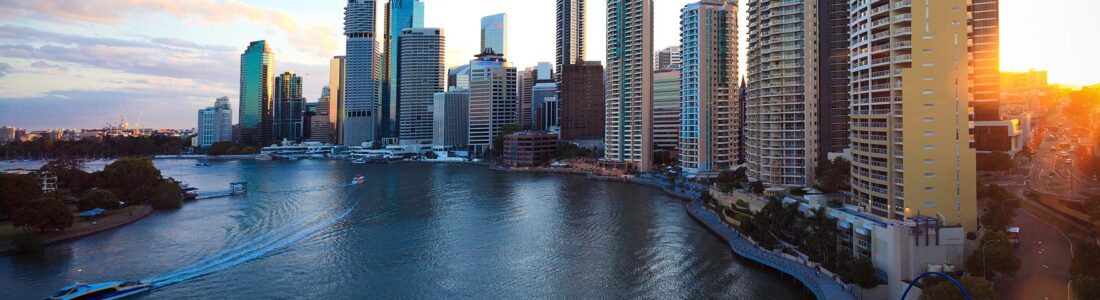
In Brisbane, the South Bank Parklands precinct — home to the Queensland Museum, the Gallery of Modern Art and a man-made beach on the Brisbane River — is a popular and convenient base. The New Farm and Fortitude Valley neighbourhoods offer a more local, creative experience. Brisbane’s accommodation scene has been significantly upgraded in recent years ahead of the 2032 Olympic Games — a wide range of new luxury and mid-range properties have opened across the CBD and inner suburbs.

In Perth, the CBD and the stylish Elizabeth Quay waterfront precinct are the most convenient bases, with the beachside suburb of Cottesloe — home to one of Australia’s most beloved beaches — offering a more relaxed coastal alternative approximately 20 minutes from the city centre. Well-regarded properties include the COMO The Treasury in a beautifully restored State Buildings complex in the heart of the CBD, and the QT Perth. For South African travellers, Perth is often the first Australian city visited due to its relatively shorter flight time — and it has a notably large South African expat community.

For exploring Australia’s natural wonders — the Great Barrier Reef, the Red Centre and Uluru, the Daintree Rainforest, the Kimberley and the Great Ocean Road — a wonderful range of eco-lodges, wilderness camps, national park campgrounds and luxury outback retreats awaits. The Longitude 131° tented camp at Uluru — with floor-to-ceiling views of the Rock from every tent — is one of Australia’s most celebrated luxury wilderness experiences. Along the Great Barrier Reef, Lizard Island Resort and Qualia on Hamilton Island offer world-class diving and snorkelling from the doorstep of some of the most exclusive island retreats in the Pacific. The Southern Ocean Lodge on Kangaroo Island, perched dramatically above the wild Southern Ocean, is widely considered one of the finest wilderness lodges in the world.

Ready to book? Search and book accommodation in Australia at Travelstart and find the best deals across all budgets.

Getting Around

Getting around Australia requires advance planning — this is the world’s sixth largest country by land area, and the distances between major cities and natural attractions are genuinely enormous. What looks manageable on a map can involve many hours of driving or flying in reality. That said, Australia’s excellent domestic aviation network, scenic road trip routes and well-maintained highway system make it a wonderfully rewarding country to explore at your own pace.

Domestic flights are by far the most practical way to travel between Australia’s major cities and remote destinations. Qantas, Jetstar, Virgin Australia and Rex Airlines operate extensive domestic networks connecting all capital cities and dozens of regional destinations. Key routes for South African travellers include Sydney to Cairns (gateway to the Great Barrier Reef, approximately 3 hours), Sydney or Melbourne to Uluru/Ayers Rock (approximately 3–3.5 hours), and Perth to Sydney (approximately 4.5 hours — a reminder of just how vast Australia is). Book domestic flights well in advance, particularly during Australian school holidays and the peak summer season (December to February), as fares increase sharply with demand.

Within Sydney, the Opal card integrated ticketing system covers the city’s trains, buses, light rail and ferries — a convenient and affordable way to navigate the city. The train from Sydney Airport to the CBD takes approximately 13 minutes. Sydney’s iconic ferry network is one of the world’s great commuter experiences — the Manly Ferry from Circular Quay, passing under the Harbour Bridge with the Opera House as a backdrop, is a Sydney highlight in its own right and costs little more than a bus ride. Uber and taxis are widely available throughout the city.

In Melbourne, the free City Circle tram loops around the CBD and inner suburbs — a convenient and uniquely Melbourne way to reach major attractions. The broader tram, train and bus network (using the Myki card) covers the entire metropolitan area efficiently. Melbourne’s CBD is also extremely walkable, with the famous laneway network best explored on foot. Uber and taxis are plentiful throughout the city.

For exploring Queensland’s coast — including the Whitsundays, the Daintree Rainforest and the Atherton Tablelands near Cairns — a hire car gives you the freedom to discover hidden beaches, national park lookouts and roadside sugar cane towns at your own pace. The Bruce Highway running north from Brisbane to Cairns is one of Australia’s great coastal road trips, though the distances involved (approximately 1,700km) mean it is best broken into stages over several days.

The Great Ocean Road in Victoria — running approximately 240km along one of the world’s most dramatic coastlines from Torquay to Allansford — is one of Australia’s most iconic self-drive experiences, passing the Twelve Apostles limestone sea stacks, the surf beaches of Bells Beach and the ancient Otway rainforests. Allow at least 2 full days to do it justice. Similarly, the Pacific Coast Touring Route between Sydney and Brisbane, the Savannah Way across the Top End and the legendary Gibb River Road through the Kimberley are all world-class road trip experiences that reward South African travellers comfortable with long drives and remote conditions.

In the Red Centre — including Uluru-Kata Tjuta National Park, Kings Canyon and Alice Springs — a hire car or organised tour is essential, as public transport is virtually non-existent. The roads are generally well-maintained and clearly signposted, but distances between fuel stops can be significant. Always carry extra water, inform someone of your intended route and fill up whenever fuel is available. A 4×4 is required for unsealed outback tracks but not necessary for the main sealed routes between Alice Springs, Uluru and Kings Canyon.

Along Australia’s coastline, several iconic ferry and boat services connect key destinations — including the Spirit of Tasmania ferry between Melbourne and Devonport in Tasmania (an overnight sailing through the Bass Strait), and the various reef cruise and liveaboard dive operators departing Cairns and Port Douglas for the Great Barrier Reef. Queensland’s Whitsunday Islands are best explored by bareboat charter, crewed yacht or sailing catamaran — one of Australia’s great on-water adventures.

Planning to explore Australia’s iconic road trip routes, national parks and coastal highways at your own pace? Search, compare and book a car hire in Australia at Travelstart and find the best rate for your Australian adventure.

Discover popular cities in Australia

More popular destinations

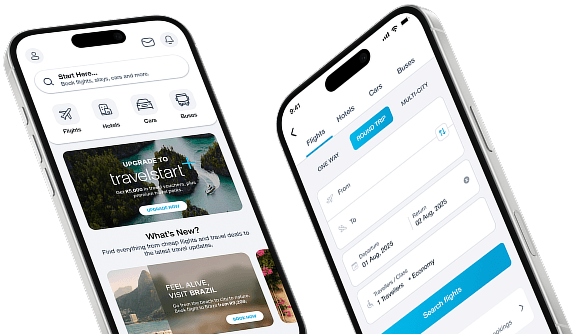
Download Travelstart App

TRAVEL HACK

Why book with us

Bringing you the best fares from all airlines

Expert assistance from booking to departure

Online destinations for planning your travels

Already booked your flight?

1000’s of options worldwide

Best price

Great service

Travelstart personalised support
Personalized assistance

Need help with your booking? Contact our expert TravelBar agents for guidance and booking assistance.