India flights

Book cheap flights to India

Popular flights to India

Prices observed in the past 7 days start from R3209 one-way and R3849 round trip. Fares and availability may change at any time, and additional terms may apply.

Custom travel packages

Popular airlines to India

Why visit India
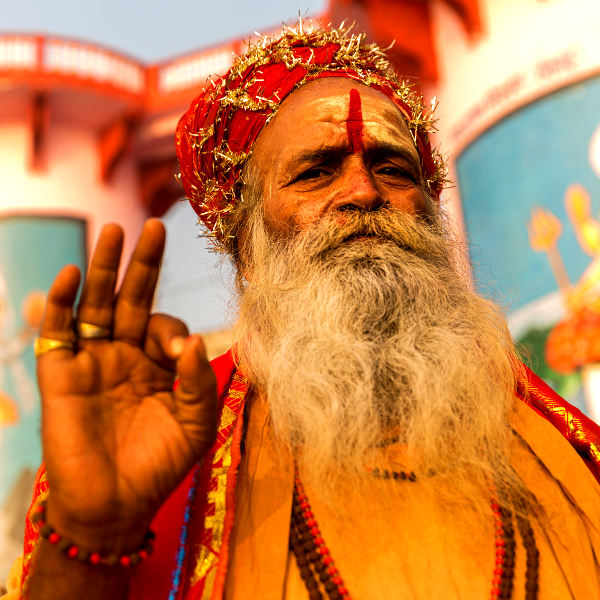
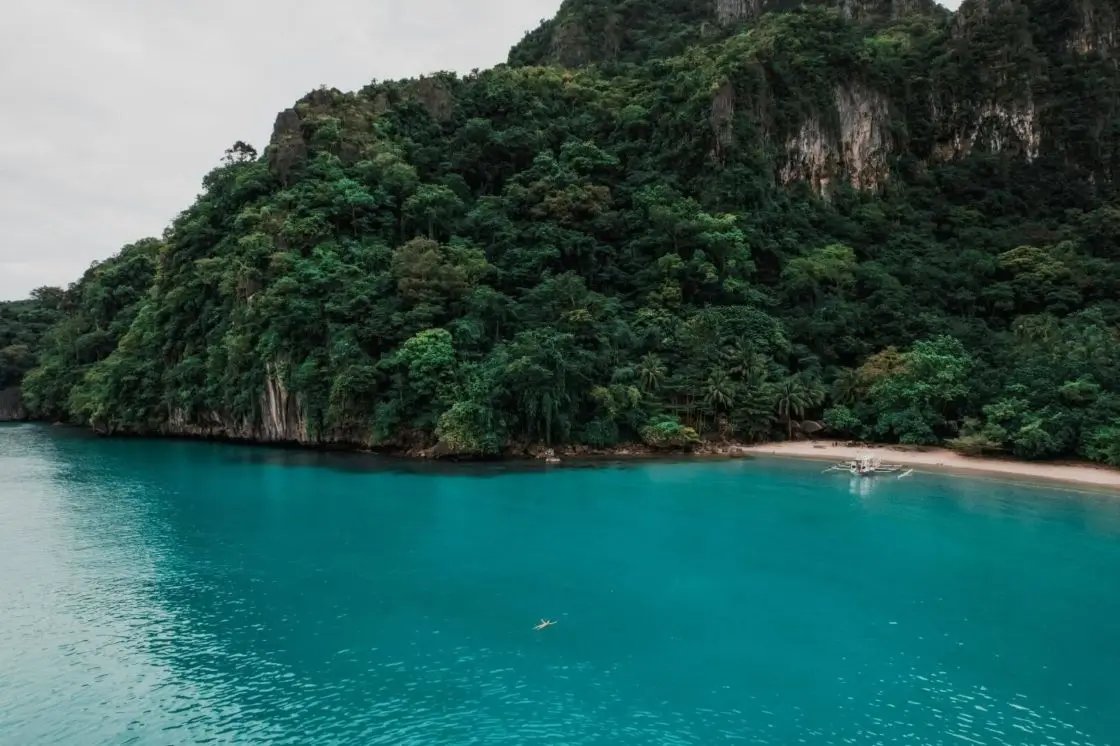
India india unique experiences
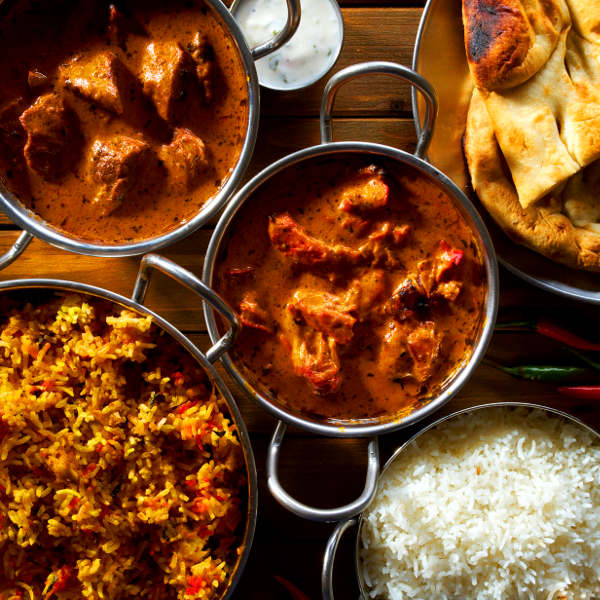
India india indian cuisine
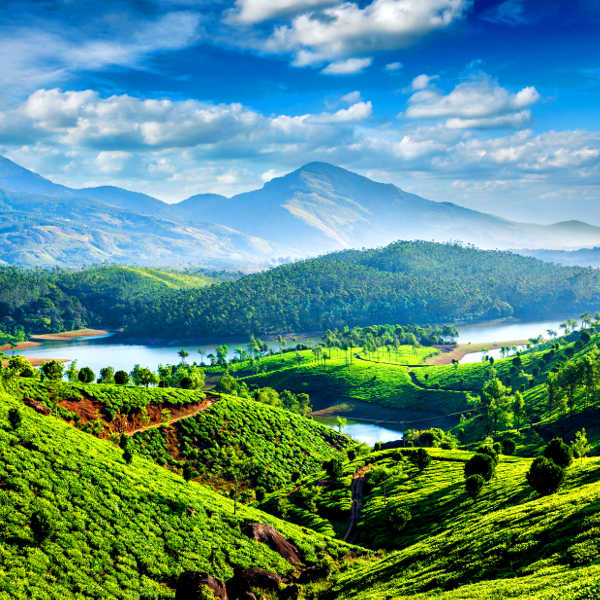
India india astounding landscapes

India: a journey through sublime landscapes, chaotic madness, and sensory delights that will ignite your soul and change your life

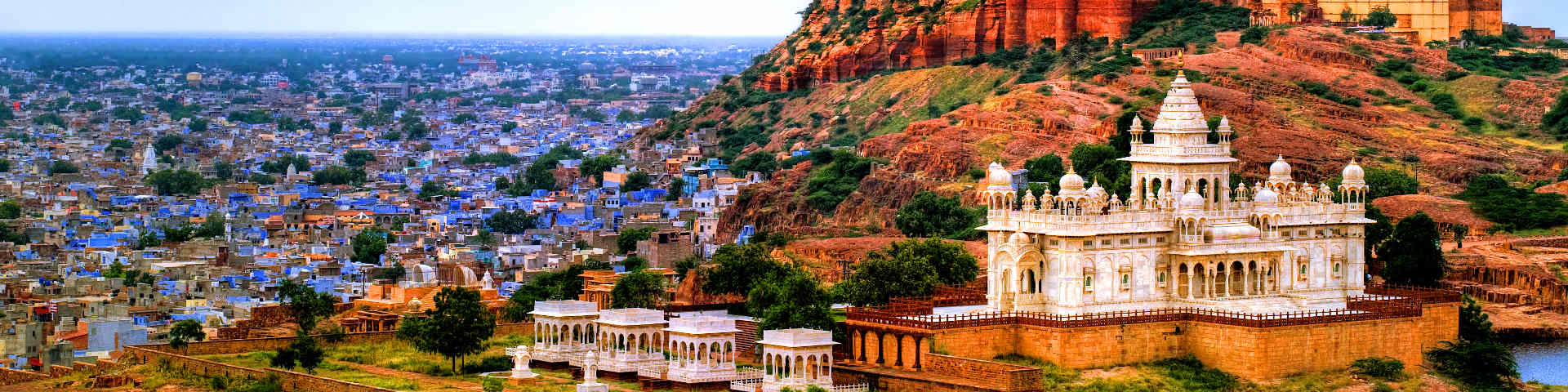
India is a deeply alluring country that glides over mountains and through steamy streets, leaving a trail of soulful mystique, wild decadence and spicy aromatics. With over 1.3 billion residents, India is the second-most populous country in the world. Popular attractions include the Taj Mahal in Agra, Khajuraho Temples in Madhya Pradesh and Mehrangarh Fort in Jodhpur.

Get ready to ignite your soul and arouse your senses with cheap flights to India. New Delhi is home to Indira Gandhi International Airport (DEL), which is 25-minute drive from the city centre. The airport serves a multitude of airlines, including Air India, Qatar Airways and Emirates. Popular international flights to New Delhi depart from Johannesburg and Cape Town. Flight duration from Johannesburg to New Delhi is approximately 12 hours and 55 minutes.

Weather In India

Low
High °C
Rain-mm
Average temperature (°C) & rainfall (mm) per month

Frequently asked questions

Overview

There is no place in the world quite like India.

It is a country where you can lose your mind in the gritty mayhem of Mumbai and New Delhi, and then sink into the ethereal tranquility of Darjeeling and Kashmir.

It is a country of remarkable contrasts and unimaginable soul. The best way to experience this feverish country is to follow its wild rhythm.

Spend your time lost in the bustling energy of Bangalore, exploring ancient traditions in Jaipur and Agra, trekking through the rugged mountains of Ladakh, lazing on the beaches of Goa, or embarking on a culinary adventure through the streets of Mumbai.

Be sure to explore the many temples and visit the spiritual capital of India: Varanasi. A journey to the Malabar Coast offers a unique opportunity to explore the emerald backwaters of Kerala by houseboat.

India is not a country you see, it is a country you feel. And if you allow yourself to surrender to its beguiling allure, it will enchant your heart and change your life.

Compare several airlines and book your cheap flights to India online at Travelstart!

Best time to visit India

The climate of India varies according to region. The northern regions range from temperate and alpine, while the rest of the country experiences a hot tropical climate. Temperatures can reach as high as 48 degrees Celsius in summer and drop to -3 degrees Celsius in winter. The monsoon season begins its steady sweep across the country in May and begins to wane in October. The best time to visit India is during the dry season (November to March). These months offer deliciously warm temperatures and beautiful landscapes. This is peak season in India, so expect soaring rates and dense crowds. Peak trekking season in the Himalayas is during August and September. Notable events include: Diwali, Holi, Durga Puja and Ganesh Chaturthu. The dates of these festivals change according to the lunar cycle. For cheap flights to India, the best time to visit is from April to early-June and September.

Visa & Customs

South African passport holders require a visa to visit India. You will need to ensure your passport has a validity of at least 6 months and 2 empty pages for entry stamps.

Visas can be applied for on the e-Tourist visa website or through VFS Global.

Health & Safety

India is plagued by poverty, so crime does happen. It is recommended that you use common sense and remain vigilant as you would in any other unfamiliar country. Travel insurance to cover theft and medical expenses is recommended. Check the latest government travel advisory to find out which areas should be avoided.

Avoid carrying large sums of cash and valuables, as pick-pocketing does happen. Avoid travelling alone at night and through isolated areas (especially women). It is recommended that you familiarise yourself with the local laws and customs before arriving.

Food poisoning is a big problem in India. Avoid street food and stick to busy restaurants. Meat and shellfish should be avoided. Stick to bottled water.

Malaria, dengue and other insect borne diseases are prevalent, so medication is required and the necessary precautions should be taken to avoid bites. Immunisation against yellow fever, hepatitis A & B, typhoid, TB, cholera, Japanese B Encephalitis and rabies is recommended. Other vaccinations include MMR, diphtheria-tetanus-pertussis, meningitis, varicella, polio and influenza. Check skin regularly for ticks and leeches when travelling through rural or rainforest areas.

Where to Stay?

Accommodation in India spans one of the widest spectrums of any destination in the world — from basic dharamshalas (pilgrim rest houses) and no-frills budget guesthouses to ornate heritage havelis, converted maharaja palaces and some of the most celebrated luxury hotels on earth. India’s sheer size and diversity means that accommodation styles, price points and experiences vary enormously from region to region — but South African travellers will find exceptional value across virtually every budget level.

In New Delhi, the most atmospheric areas to base yourself are the Lutyens’ Delhi district — the elegant, tree-lined colonial heart of the capital, home to most of the luxury hotels and the city’s major embassies and institutions — and Paharganj, the legendary budget traveller hub adjacent to New Delhi Railway Station, with its dense concentration of guesthouses, backpacker hostels and street food stalls. The upscale neighbourhoods of Khan Market, Hauz Khas and Vasant Vihar offer excellent mid-range boutique hotel options within easy reach of the city’s best restaurants and markets. Iconic properties include The Imperial New Delhi — a magnificent Art Deco landmark from 1936, widely regarded as one of the finest hotels in Asia — the Taj Mahal Hotel New Delhi and the Leela Palace New Delhi in Chanakyapuri.

In Jaipur — the Pink City and gateway to Rajasthan — staying in a converted heritage haveli or palace hotel is the quintessential Rajasthani experience. The Rambagh Palace, once the residence of the Maharaja of Jaipur and now managed by Taj Hotels, is one of the most celebrated palace hotels in the world — a breathtaking property of Mughal gardens, marble pavilions and royal suites. A wide range of beautifully restored heritage havelis offer a more intimate and affordable alternative, many within the atmospheric walled city. Rajasthan as a whole — including Jodhpur, Udaipur, Jaisalmer and Bikaner — is one of India’s richest regions for palace and heritage hotel experiences, with converted forts, lakeside palaces and desert camps offering some of the most memorable accommodation in Asia.

In Mumbai, the most convenient bases for most travellers are Colaba — the historic southern tip of the city, within walking distance of the Gateway of India, the Taj Mahal Palace Hotel and the Leopold Café — and Bandra West on the western suburbs, the city’s most fashionable neighbourhood of excellent restaurants, independent boutiques and a vibrant arts scene. The iconic Taj Mahal Palace Hotel overlooking the Gateway of India and the Arabian Sea is arguably the most celebrated hotel in India — a magnificent Indo-Saracenic landmark that has welcomed guests since 1903 and survived the 2008 terrorist attacks with extraordinary resilience. A wide range of mid-range hotels are available throughout South Mumbai and the suburbs.

In Agra — home to the Taj Mahal — several hotels offer rooms or rooftop restaurants with direct views of the monument, making the experience of watching the Taj Mahal change colour at sunrise and sunset from your own terrace one of the great travel privileges in the world. The Oberoi Amarvilas, with every room facing the Taj Mahal from just 600 metres away, is the most celebrated property in the city. More affordable options with Taj views are available in the Taj Ganj neighbourhood immediately south of the monument.

In Goa — South Africa’s favourite Indian beach destination — accommodation ranges from simple beach shacks with hammocks strung between palm trees to boutique Portuguese heritage villas and world-class resort hotels along the coast. North Goa (Anjuna, Vagator, Morjim and Arambol) is favoured by independent travellers, backpackers and the yoga and wellness community, with a wide range of characterful guesthouses, surf camps and boutique properties. South Goa (Palolem, Agonda and Cavelossim) is quieter, more refined and home to some of Goa’s finest luxury resorts, including the Park Hyatt Goa Resort and the Leela Goa.

In Kerala — India’s lush, tropical south-western state — staying on a traditional kettuvallam (rice barge) houseboat drifting through the backwaters between Alleppey and Kumarakom is one of India’s most unique and memorable accommodation experiences. A wide range of houseboats are available from budget to luxury, with overnight moorings beneath the stars and freshly cooked Kerala cuisine served on board. The hill station of Munnar offers charming tea estate bungalows and boutique retreats in the misty Western Ghats, while Kovalam and Varkala on the coast provide a good range of beach-facing guesthouses, ayurvedic retreat centres and mid-range resorts.

Ready to book? Search and book accommodation in India at Travelstart and find the best deals across all budgets.

Getting Around

Getting around India is one of the great travel experiences in the world — chaotic, colourful, occasionally maddening and endlessly fascinating. India’s transport network is one of the largest and most complex on earth, offering everything from the world’s fourth largest railway system and a rapidly expanding domestic aviation network to auto-rickshaws weaving through ancient bazaars and camel carts crossing desert highways. Embracing the journey as part of the experience is the single best piece of advice for South African travellers visiting India for the first time.

Domestic flights are the most practical way to cover India’s vast distances efficiently. IndiGo, Air India, SpiceJet and Vistara operate extensive domestic networks connecting all major cities and regional airports. Key routes for South African travellers include Delhi to Jaipur (1 hour — though the train is more atmospheric), Delhi to Mumbai (2 hours), Mumbai to Goa (1 hour), Delhi to Kochi in Kerala (3 hours) and Delhi to Varanasi (1.5 hours). Domestic fares in India can be remarkably cheap when booked well in advance — often comparable to or cheaper than train tickets in higher classes. Book through Indian airline websites or aggregators like MakeMyTrip and Cleartrip for the best fares.

Indian Railways is the backbone of the country’s transport network and one of the great institutions of India — carrying approximately 23 million passengers daily on over 13,000 trains across more than 67,000km of track. For South African travellers, the train is the most immersive, comfortable and authentically Indian way to travel between cities. The Rajdhani Express and Shatabdi Express services are the fastest and most comfortable intercity options, connecting Delhi with Mumbai, Jaipur, Agra, Varanasi, Kolkata and Chennai efficiently and affordably in air-conditioned comfort. Book train tickets well in advance through the IRCTC website (Indian Railway Catering and Tourism Corporation) — popular routes sell out weeks ahead, particularly in peak season. A foreign tourist quota is available on most trains, accessible through IRCTC or authorised agents.

The legendary Palace on Wheels — a luxury heritage train operated by Rajasthan Tourism — offers a uniquely indulgent way to explore Rajasthan’s royal cities in opulent, maharaja-style carriages, visiting Jaipur, Jodhpur, Jaisalmer, Udaipur and Agra over 8 days. It is one of the world’s great train journeys and a spectacular way for South African travellers to experience the best of Rajasthan without the logistical complexity of arranging multiple legs independently.

Within cities, a combination of metro, auto-rickshaw, taxi and ride-hailing apps covers most transport needs. Uber and the Indian equivalent Ola operate in all major Indian cities and are by far the safest, most transparent and most convenient way to get around — fares are metered, routes are tracked and the experience is considerably less stressful than negotiating with auto-rickshaw drivers in tourist areas. That said, a short auto-rickshaw ride through a busy Indian bazaar is a quintessential experience not to be missed at least once. Delhi, Mumbai, Bangalore, Chennai, Kolkata and Hyderabad all have modern metro systems that are clean, efficient and extremely affordable — the Delhi Metro in particular is one of the best urban transit systems in Asia.

In Rajasthan and other regions where the distances between attractions are significant and roads are of variable quality, hiring a private car with a driver is the most comfortable, practical and surprisingly affordable way to travel. A driver-guide who knows the roads, the local customs and the best dhabas (roadside restaurants) for lunch adds immeasurable value to a Rajasthan road trip — and rates for private car hire with a driver in India are considerably lower than equivalent services in South Africa or Europe. Most hotels and guesthouses can arrange trusted local drivers.

For the more adventurous South African traveller, a self-drive hire car is possible in India but comes with significant caveats — Indian road conditions, driving culture and traffic density are dramatically different from South Africa, and navigating Indian cities by car independently is genuinely challenging for first-time visitors. Self-drive is more manageable in quieter regions such as Kerala, Goa and parts of Rajasthan, but hiring a car with a driver remains the strongly preferred option for most international travellers.

In Kerala, the backwaters between Alleppey and Kumarakom are best explored by houseboat (kettuvallam) or by the government-operated ferry services that connect lakeshore villages and towns across the backwater network — one of the most beautiful and relaxing journeys in India. In Goa, scooter hire is the classic and most enjoyable way to explore the coastal roads between beaches, spice farms and Portuguese churches — though always wear a helmet and carry your international driving licence.

Planning to explore India’s highways, hill stations and coastal routes at your own pace? Search, compare and book a car hire in India at Travelstart and find the best rate for your Indian adventure.

Discover popular cities in India

More popular destinations

Download Travelstart App

TRAVEL HACK

Why book with us

Bringing you the best fares from all airlines

Expert assistance from booking to departure

Online destinations for planning your travels

Already booked your flight?

1,000’s of options worldwide

Best price

Great service

Travelstart personalised support
Personalised assistance

Need help with your booking? Contact our expert TravelBar agents for guidance and booking assistance.