Book cheap flights to Nigeria

Popular flights to Nigeria

Prices observed in the past 7 days start from R3219 one-way and R8829 round trip. Fares and availability may change at any time, and additional terms may apply.

Custom travel packages

Popular airlines to Nigeria

Why visit Nigeria

Nigeria food-nigeria-traditional
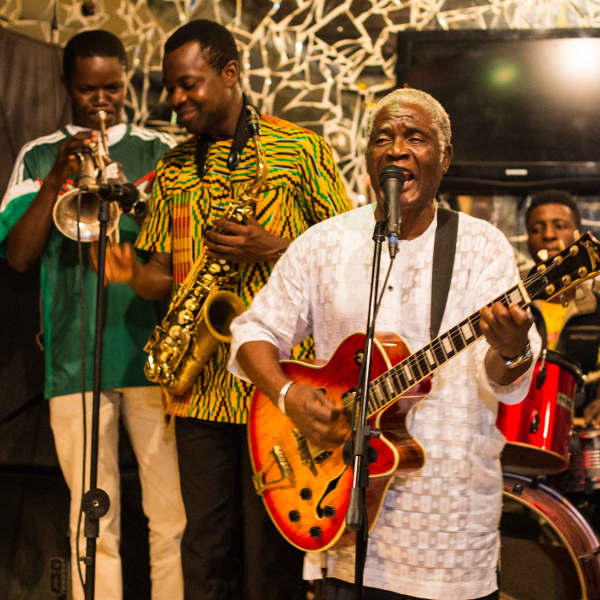
Nigeria parties-nigeria-legoodlife
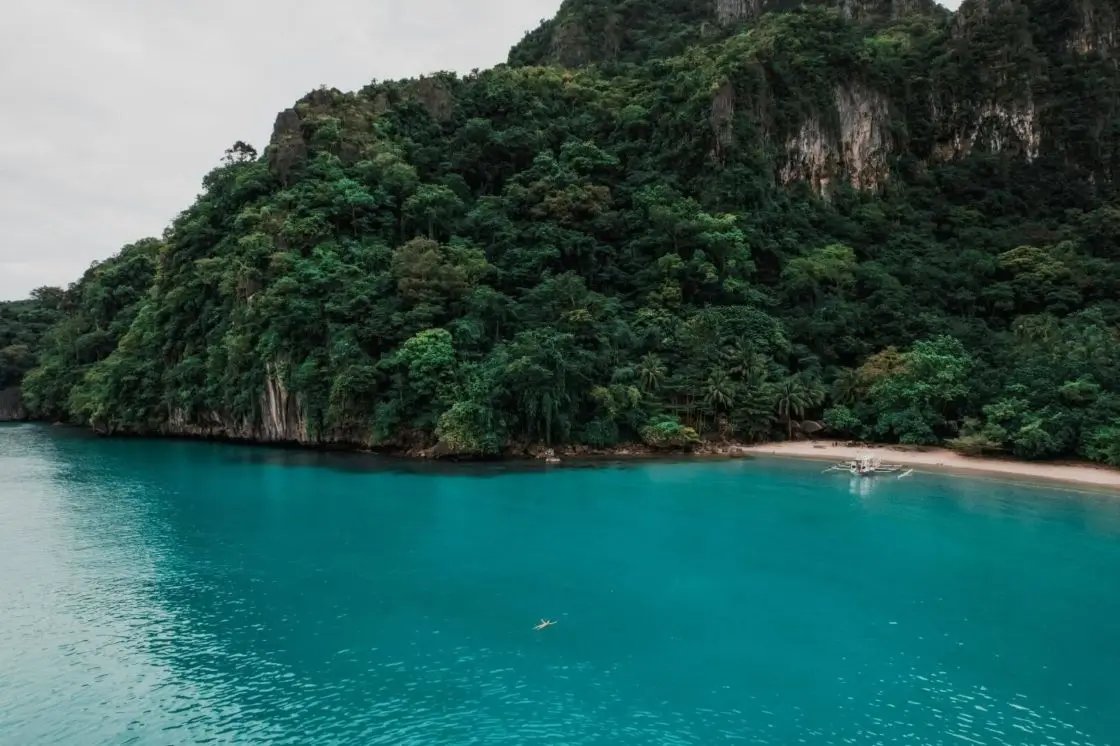
Nigeria natural-scenery-nigeria

Nigeria: move to the rhythm of Africa’s powerhouse and be enticed by the splendour that’s found in every direction!

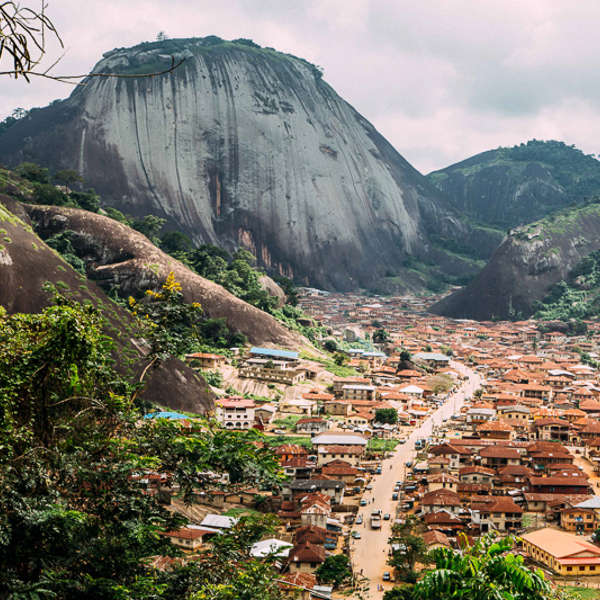
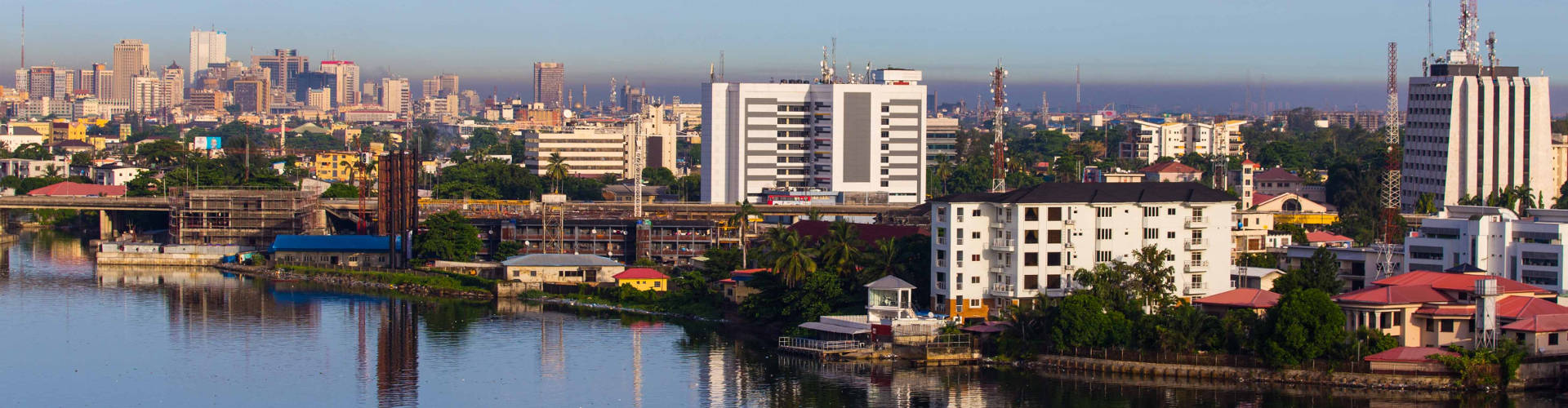
One of Africa’s most enticing countries, Nigeria is a mesmerising destination and the perfect gateway to high-fashion boutiques, beautiful beaches and encounters with nature. The warm-hearted residents of the country’s 182 million population are always happy to invite visitors to their African oasis. Attractions include Lekki Conservation Centre in Lagos, Olumo Rock in Abeokuta and Abuja National Mosque.

Get ready to feel the vibrations of this amazing country, because cheap flights to Nigeria are now available for a limited time only. Nigeria is home to Murtala Muhammed International Airport (LOS), located in the country’s most visited city of Lagos, and is just 30 minutes from the city centre. Murtala Muhammed International Airport serves a multitude of airlines – including South African Airways and British Airways. Non-stop flights depart from Johannesburg daily. The flight duration is 6 hours and 10 minutes.

Weather In Nigeria

Low
High °C
Rain-mm
Average temperature (°C) & rainfall (mm) per month

Frequently asked questions

Overview

Most know Nigeria for the bustling, fashion-central and party destination of Lagos. This great city is everything you thought it would be and more, with perfectly stunning beaches such as Bar Beach, Eko Tourist Beach and Tarkwa Beach.

Not as popular as Lagos, the country’s capital city of Abuja is a beauty itself. The architecture and landscape of the city centre is worth seeing, and just outside the city you can find yourself rock climbing the cliffs of Zuma, and Aso Rock. Abuja is also where you’ll find the most famous mosque in Nigeria, the breathtaking Abuja National Mosque.

If you’re looking to spot some local celebrities, then definitely head to the south-eastern city of Enugu. This tranquil city is the home of Nollywood, Nigeria’s multi-million film industry. Don’t be shocked by the city’s classical, Victorian-styled homes: this is a place of style and glamour. You can also take a boat ride down Nike Lake, or pack in a picnic for lunch with some lake views.

Compare several airlines, and book your cheap flights to Nigeria online with Travelstart!

Best time to visit Nigeria

The coastal cities of Port Harcourt and Calabar receive the majority of the rain in the country and therefore, are best avoided in the rainy season (June to September). That said, come November through to April, the weather is great and is perfect for beach activities. The month of December in Calabar is also a festive time with street parties, parades and parties happening all month long. Nigeria in general sees a lot of sunny days and Lagos and Abuja are famous with tourists as these cities are known to throw the best parties all year long. If you’re planning on visiting between October and March, pack in plenty of sunscreen.

Visa & Customs

South Africans who wish to visit Nigeria will need a visa to do so. You will need to complete an application form, and have the following: a passport that’s valid for a minimum of six months from the day of entry into the country, one passport photograph, proof of accommodation, a letter of invitation and a copy of the invitee’s passport or ID.

For more information, please contact the Embassy of Nigeria in Johannesburg.

Address: 16 Rivonia Road, Illovo, P. O. Box 1014, Saxonwold, 2132, Johannesburg

Phone: ( 27) 011 442 3620

Health & Safety

Nigerian cities are as safe as any other and you should exercise caution as you would in any other country. Lagos is home to many expats, and the locals are very hospitable and welcoming of tourists. The cities on the Niger Delta (Port Harcourt, Calabar), are a bit less familiar with tourists and, though they might be a bit curious of you, the people of these cities are happy to have you there.

In Lagos and Abuja, there are, unfortunately, many pickpockets. So, make sure to be aware of your surroundings, stay in well-lit areas and don’t flash your expensive belongings in the streets. When venturing off path, make sure that you are accompanied with a local friend.

Many international authorities advise against travel to the north of the country, due to political tension. Before your trip to Nigeria, make sure to visit your doctor and ensure that all your routine vaccinations are up to date. You are required to get a shot for yellow fever, and shots for hepatitis A, B and meningitis are recommended as well.

Where to Stay?

Nigeria offers a rapidly evolving accommodation market that spans five-star international hotels in its commercial and administrative hubs to modest guesthouses and serviced apartments across its hundreds of towns and cities. At the top of the market, Lagos and Abuja host some of West Africa’s finest hotel properties. The Eko Hotel and Suites on Victoria Island — with over 825 rooms, multiple restaurants, pools, and a convention centre — is one of the largest hotels on the continent and a Lagos landmark. The Transcorp Hilton Abuja, with 667 rooms set in landscaped grounds near the seat of government, is Nigeria’s pre-eminent business hotel and a frequent host of international delegations. The Wheatbaker in Ikoyi, Lagos — Nigeria’s first art hotel — and the Radisson Blu Anchorage on Victoria Island represent the country’s growing boutique luxury segment.

International brands are expanding aggressively across Nigeria. Marriott International — through its Marriott, Sheraton, Protea by Marriott, and Four Points brands — leads the branded hotel market in terms of properties, with locations in Lagos, Abuja, Calabar, Enugu, and Benin City. Hilton, Radisson Hotel Group, and Accor (through Novotel and Mövenpick) are also well established and actively expanding. The Protea by Marriott brand, acquired from South Africa, operates across multiple Nigerian cities and is particularly valued by regional business travellers for its consistent mid-market standards. At the budget end, a wide range of independently owned guesthouses, transit hotels, and serviced apartments cater to domestic travellers and the diaspora — the latter particularly important during the busy December festive season when many Nigerians in the diaspora return home and accommodation in Lagos and Abuja becomes significantly harder to find and more expensive.

In Lagos, the most popular bases for business and leisure visitors are Victoria Island (VI) — the main commercial and entertainment district, home to most major hotels, restaurants, and nightlife — and the adjacent Ikoyi, which is quieter and more residential but equally prestigious, with excellent hotels and the city’s diplomatic community. Ikeja GRA, near Murtala Muhammed International Airport, is a practical alternative for travellers with early flights or extensive domestic connections, and is home to the Marriott Hotel Ikeja and Radisson Blu Ikeja among others. In Abuja, the Maitama and Wuse 2 districts are the most sought-after addresses for visitors, with the Central Business District offering proximity to government offices and embassies.

Book accommodation well in advance for the December festive season (mid-December to early January), when diaspora travel and domestic tourism drive up prices and cut availability sharply across Lagos and Abuja. The Calabar Carnival (December) also puts significant pressure on accommodation in Cross River State. For business travel, the first quarter (January to March) and September to November are typically the busiest corporate periods in Lagos.

Whether you’re looking for a five-star hotel, a serviced apartment, or a comfortable guesthouse, you can find and book a wide variety of accommodation across Nigeria at Travelstart Accommodation.

Getting Around

Nigeria drives on the right-hand side of the road in left-hand drive vehicles. Road conditions vary significantly: major urban expressways and the arterial roads of Lagos, Abuja, and Port Harcourt are generally paved and maintained, while secondary roads and rural routes can be poorly maintained, potholed, and — during the rainy season (approximately April to October) — prone to flooding and mud. You can compare and book car hire across Nigeria with Travelstart Car Hire. Car hire is available in Lagos, Abuja, Port Harcourt, and other major cities, with both international operators and reputable local companies such as Naija Car Hire available. Speed limits are 50 km/h in urban areas and up to 100 km/h on highways. A valid home country driving licence is required, and an International Driving Permit (IDP) is strongly recommended — it is required by most car hire companies and is frequently requested at the numerous police and military checkpoints found throughout the country, particularly on intercity routes.

Foreign visitors should be aware of several important practical realities when considering road travel in Nigeria. Self-drive hire cars are available but chauffeur-driven hire — arranged through a reputable hotel, a trusted local contact, or a professional car hire company — is strongly recommended over self-driving for most visitors, particularly those unfamiliar with local road conditions, driving culture, and checkpoint protocols. Most major hotels in Lagos and Abuja offer driver-hire services and can arrange reliable airport transfers. Night driving outside city centres should be avoided, as poor road lighting, unmarked vehicles, and elevated security risks make it genuinely dangerous. Travel on intercity roads — particularly in the north and Niger Delta regions — carries higher risk and should be undertaken with professional guidance and awareness of current government travel advisories. Ride-hailing apps Uber and Bolt both operate in Lagos and Abuja and provide a safer, more reliable alternative to street-hailing taxis within cities. Lagos traffic is among the most congested in Africa — journey times within the city can be unpredictable, and any itinerary should allow generous buffer time for peak hours.

For exploring Nigeria’s natural and cultural highlights by road — including Yankari National Park in Bauchi State (elephants, hippos, and warm springs), the Obudu Mountain Resort in Cross River State, the ancient city of Benin and its famous bronzes, or the beaches and creeks of the Lagos coast — an SUV or 4×4 is strongly recommended for its ability to handle variable road surfaces. Fuel stations are readily available in all major cities but can be scarce and subject to supply shortages in rural areas; fill up whenever possible before leaving urban centres.

Discover popular cities in Nigeria

More popular destinations

Download Travelstart App

TRAVEL HACK

Why book with us

Bringing you the best fares from all airlines

Expert assistance from booking to departure

Online destinations for planning your travels

Already booked your flight?

1000’s of options worldwide

Best price

Great service

Travelstart personalised support
Personalized assistance

Need help with your booking? Contact our expert TravelBar agents for guidance and booking assistance.