Popular flights to Zambia
Prices observed in the past 7 days start from R3,409 one-way and R6,999 round trip. Fares and availability may change at any time, and additional terms may apply.

FlySafair
JNB
Johannesburg
LUN
Lusaka
R3,409

Airlink
JNB
Johannesburg
LVI
Livingstone
R4,169

ProFlight Zambia
CPT
Cape Town
LVI
Livingstone
R5,519

South African Airways
CPT
Cape Town
LUN
Lusaka
R5,229

Air Tanzania
JNB
Johannesburg
NLA
Ndola
R5,189

Zambia Airways
JNB
Johannesburg
SLI
Solwezi
R5,769
Prefer it packaged?

Popular airlines to Zambia


Why visit Zambia
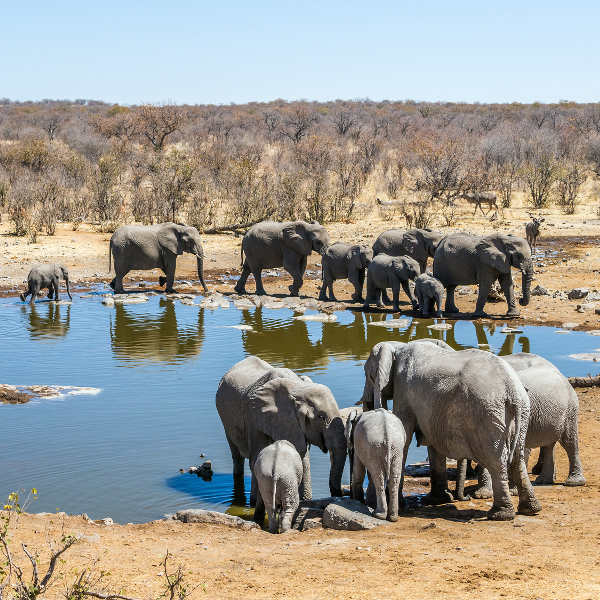
African Wildlife
See the Big 5 and many more majestic animals in their natural habitat as you go on a real African safari through the nature reserves. Inspiring encounters with orphaned chimpanzees and other animals will delight and humble you.

Spectacular Scenery
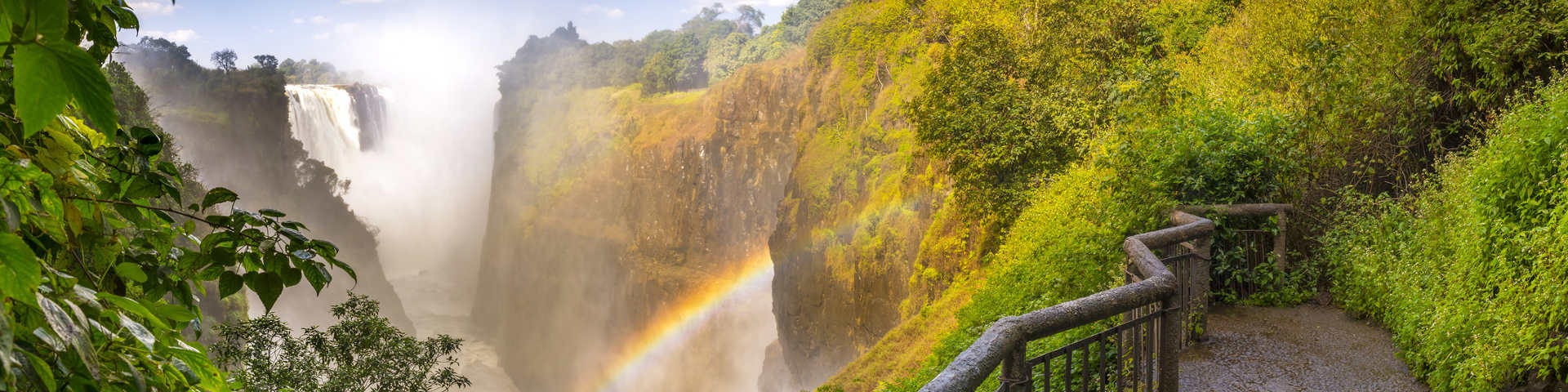
Boasting some of the most jaw-dropping scenery in southern Africa, Zambia is home to the magnificent Victoria Falls, which can be experienced from a bungee jump. A sunset cruise along the serene Zambezi River is simply breathtaking!

Local Culture
Feel the pulse of the vivacious African spirit as the locals welcome you to their vibrant heritage and history. From their hearty cuisine to authentic, handmade crafts, the Zambian people will creep their way into your heart.
Zambia: where the magic of Africa’s natural wonders and the warmth of its people will inspire you
Zambia is a landlocked country, bordering eight neighbouring countries, populated by over 16 million residents. Originally inhabited by native Khoisan people, Zambia is considered a gateway to exploring the fascinating jewels of southern Africa. Popular tourist attractions include the famous Victoria Falls in Livingstone, the Copperbelt Museum in Ndola and Lusaka’s Munda Wanga Environmental Park.
Get ready to explore Africa’s wildest treasures and vivacious culture because cheap flights to Zambia are now available! Zambia’s hub airport is Kenneth Kaunda International Airport (LUN), a 25-minute drive from the city’s capital, Lusaka. LUN serves a multitude of airlines, including South African Airways, Kenya Airways and Ethiopian Airlines. Direct flights to Lusaka now depart from Johannesburg via South African Airways. Flight duration from Johannesburg is approximately 1 hour, 55 minutes.
General Information
Essential details you need to know before your trip
Country
Currency
Zambia
Zambian Kwacha
LANGUAGE
Exchange Rate
English, Bemba
1 ZAR = 1.227 ZMW
AIRLINE
TIME ZONE
Proflight Zambia
GMT +2
Weather In Zambia
Frequently asked questions
The information on this page is correct as of date of publishing. While every effort is made to keep information as fresh as possible, Travelstart takes no responsibility for any of the information being out of date or incorrectly noted.
Discover popular cities in Zambia


More popular destinations



TRAVEL HACK
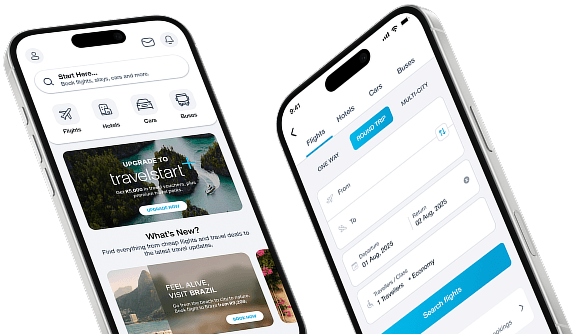
Flights Are Always Cheaper On The App!







Why book with us
 Bringing you the best fares from all airlines
Expert assistance from booking to departure
Online destinations for planning your travels

Already booked your flight?
Explore our Hotel listings:
1,000’s of options worldwide
Best price
Great service

Personalised assistance
Need help with your booking? Contact our expert TravelBar agents for guidance and booking assistance.